Dingbats Section

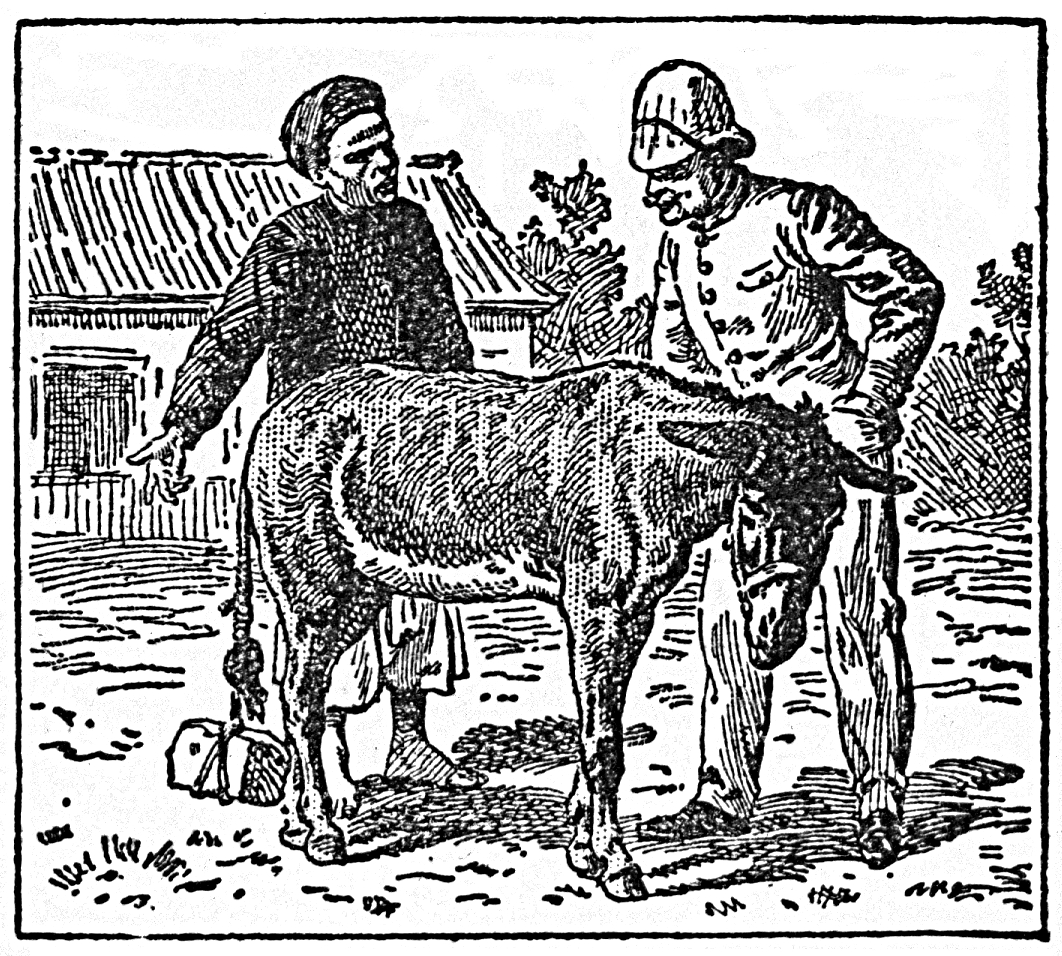
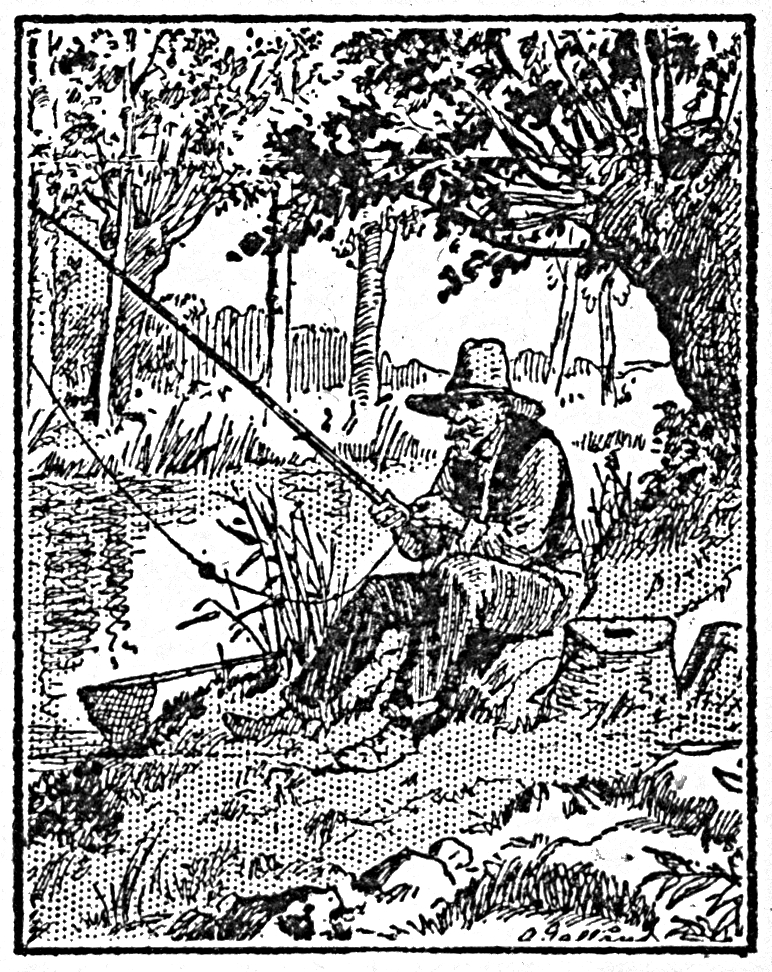
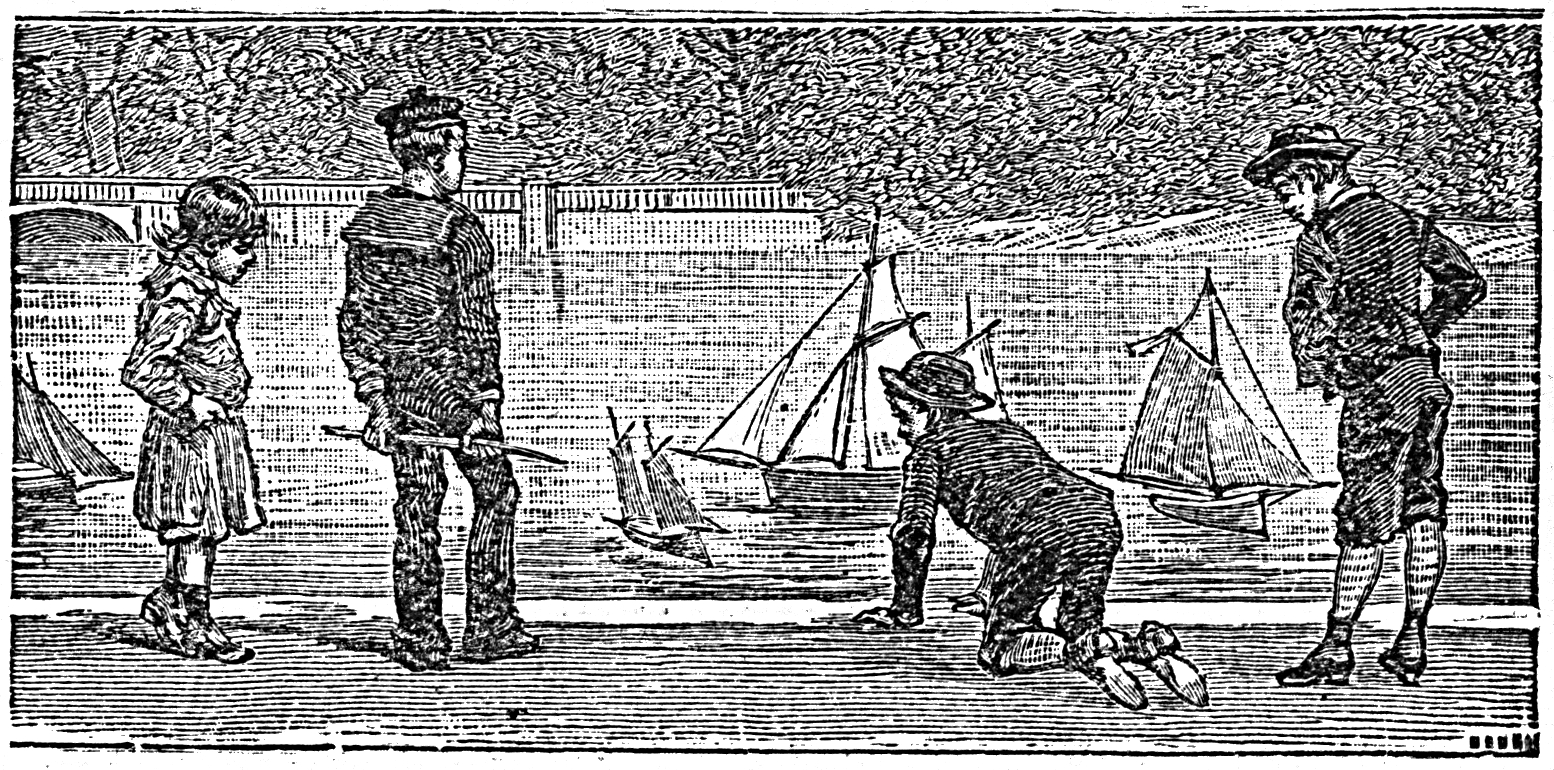
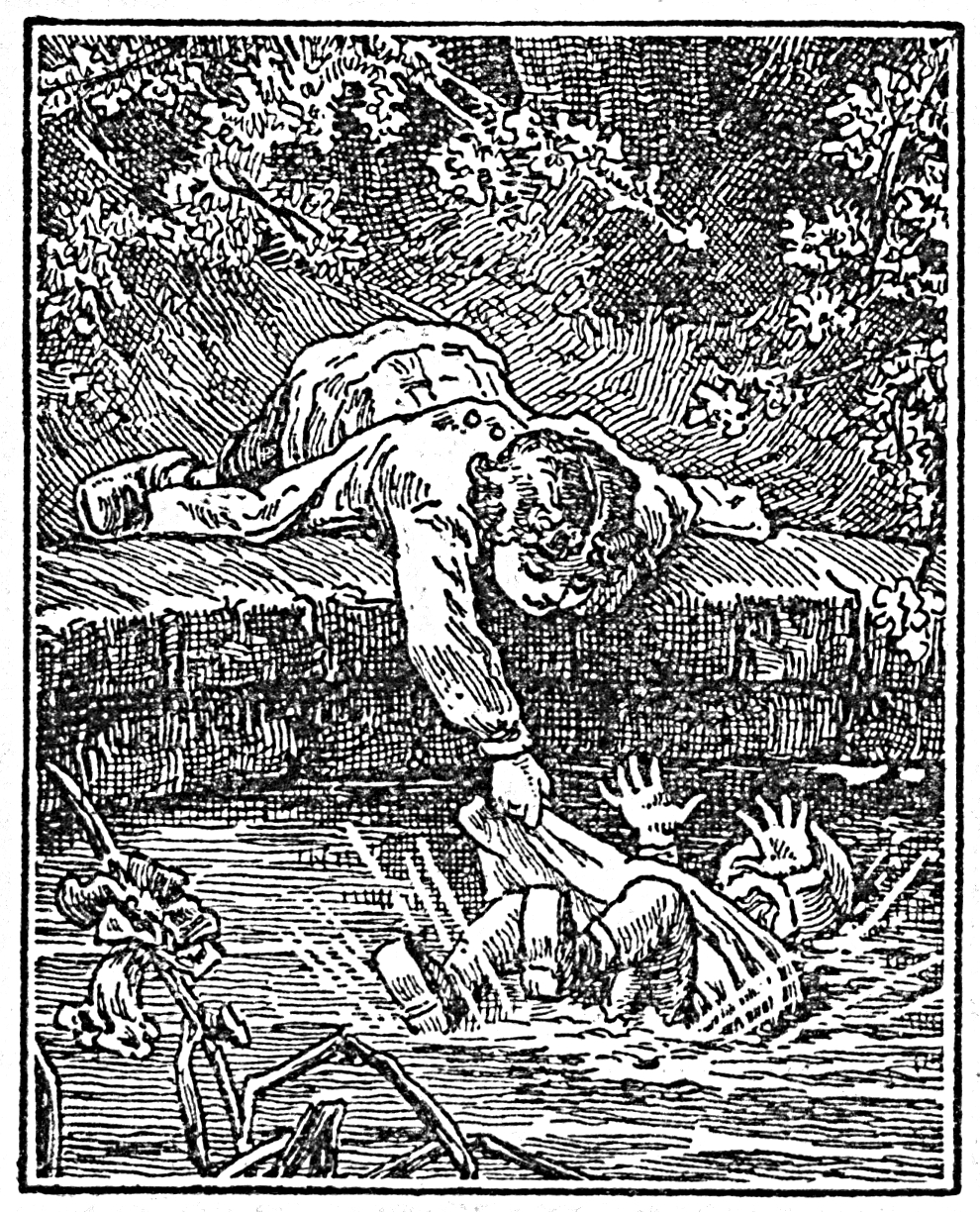
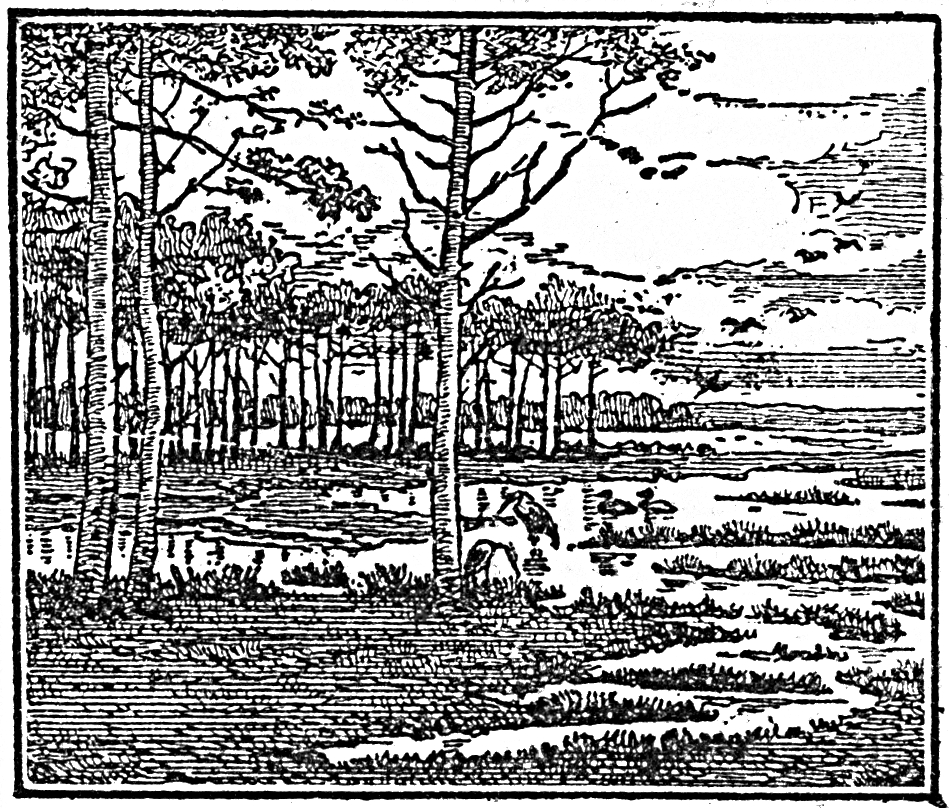
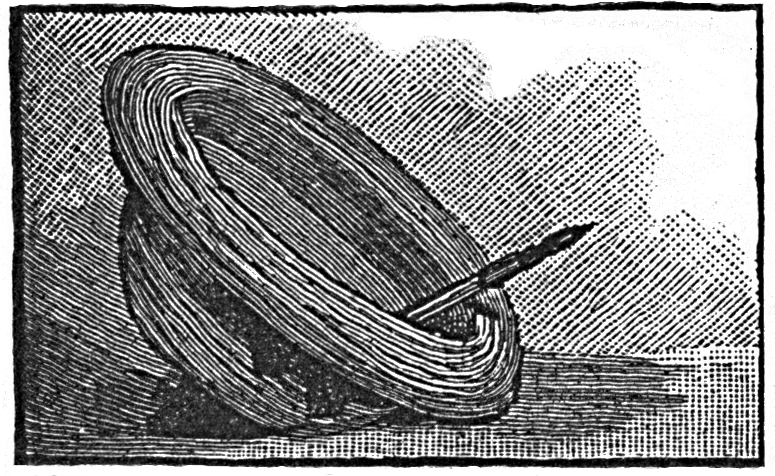
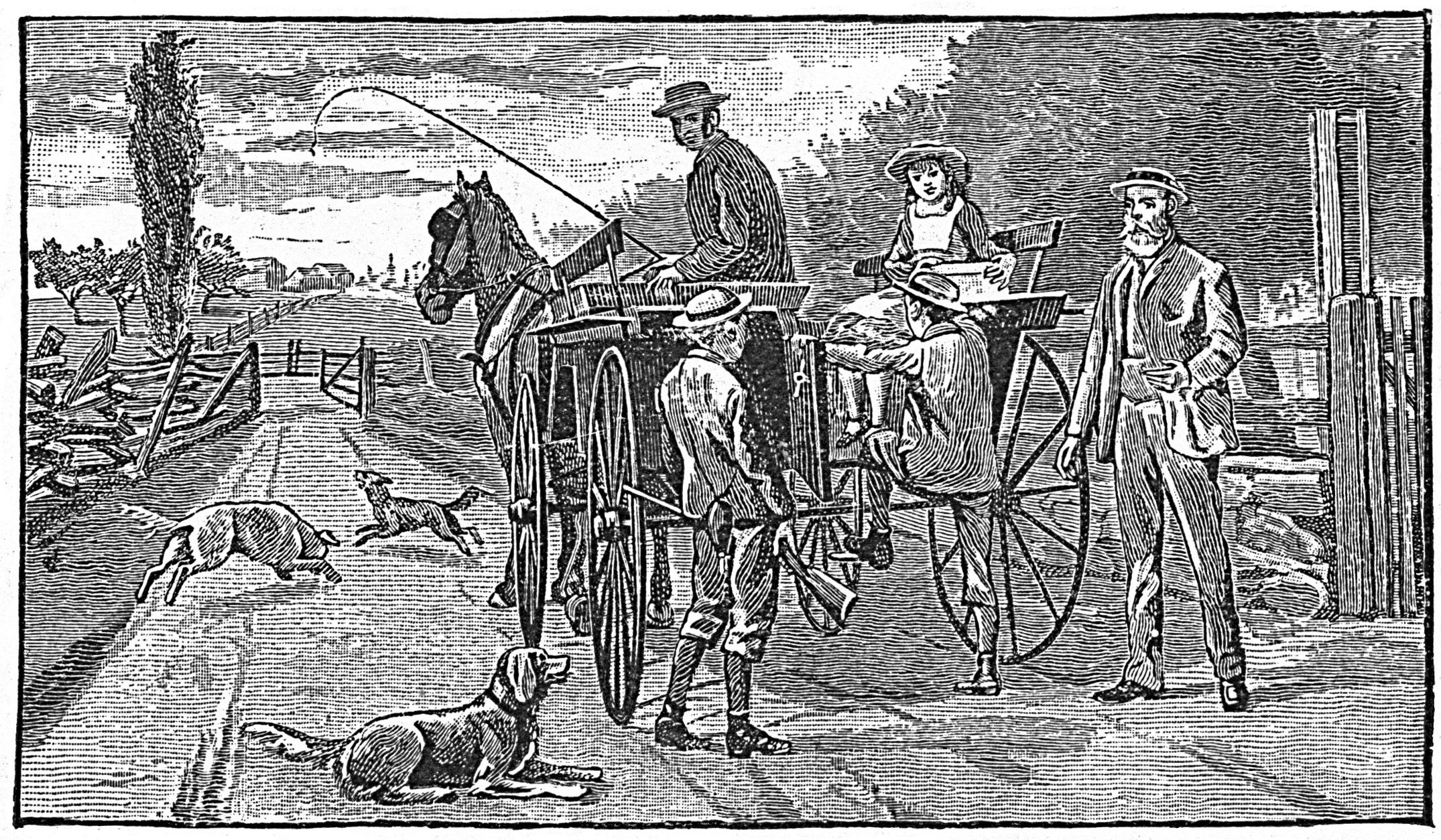
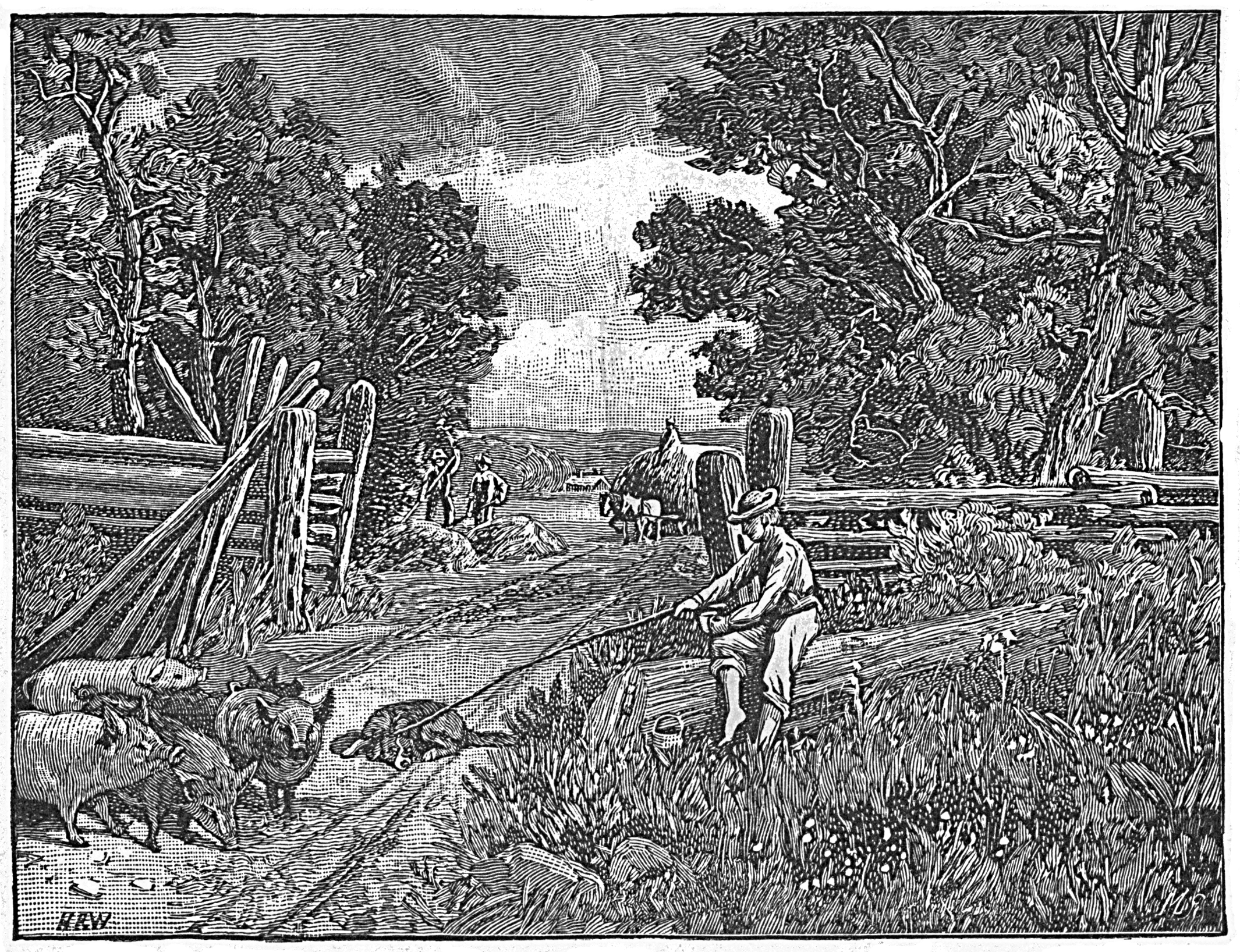
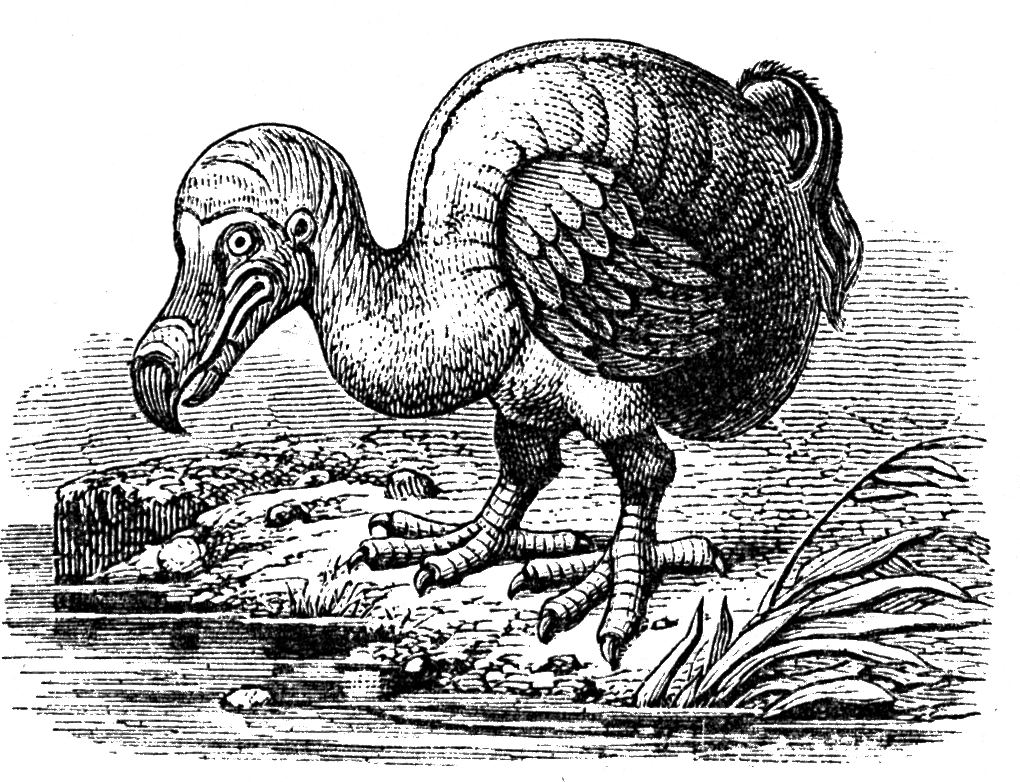
When we first started digitizing this archive in the fall of 2009, the images were primarily typographic. Headpieces, and tails, and ornamental initials. Then we gradually began to add ‘other stuff’. Insects and birds, fish and mammals, and oddities of various sorts to the point the archive now resembles a Museum of Natural History as it was, perhaps, at the close of the nineteenth century. Dusty, and filled with wonders in specimen drawers and glass display cases. Not dissimilar, in many ways, from the Museum on Parks Road in Oxford whose corporate symbol is the Dodo. Click thumbnails of the images to view & download. Push the arrows in the bottom right of this window (to the left of the Dodo's beak) to see more images (67 in total) from a Victorian primer, published in 1885 by Copp and Clark.
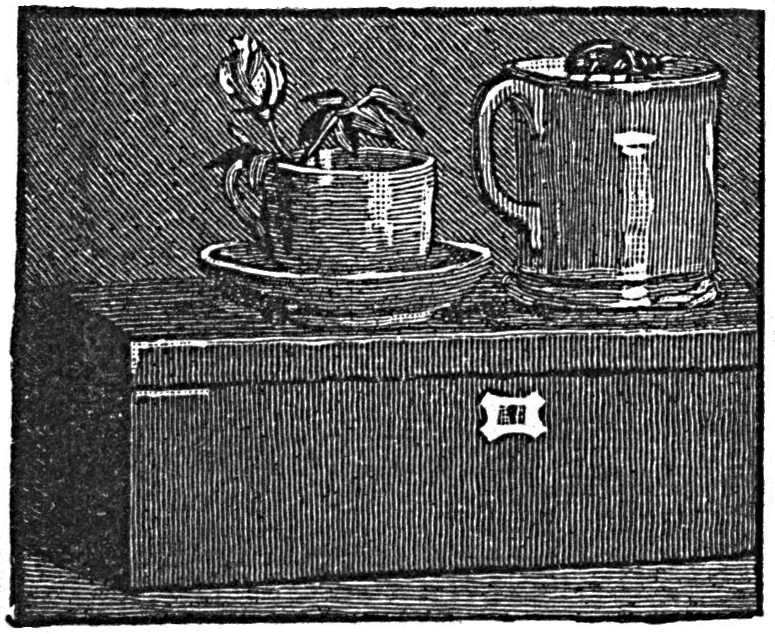
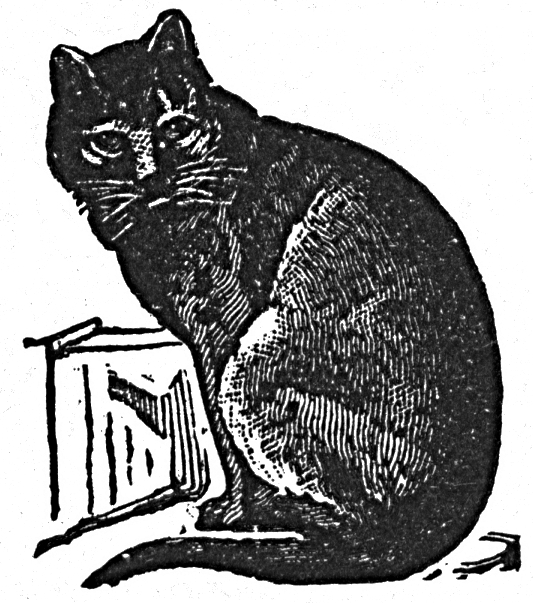
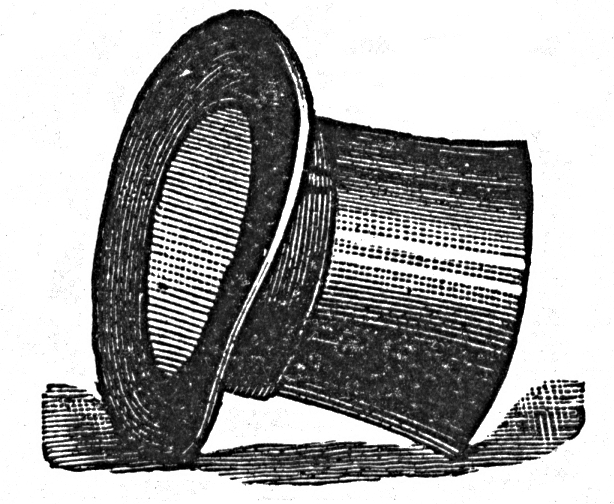
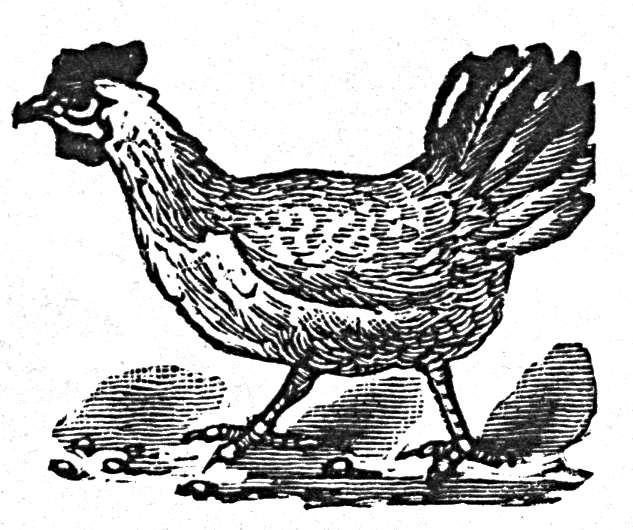
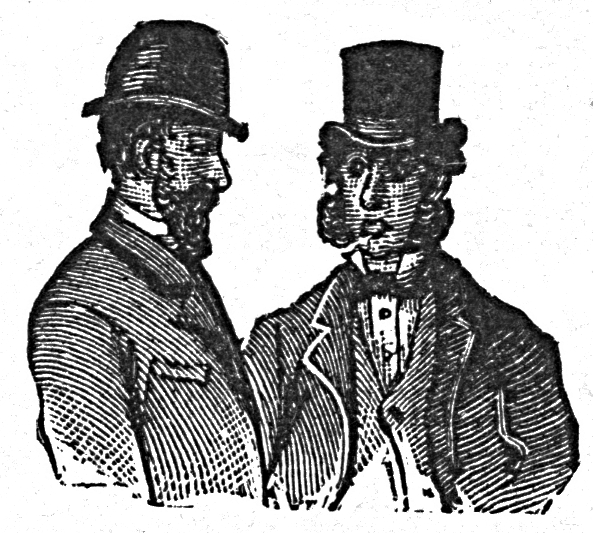
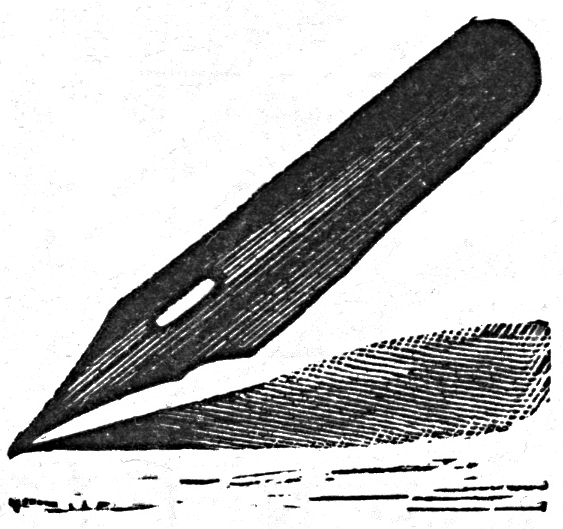
    primer cat engraving primer hat engraving primer hen engraving primer men engraving primer pen engraving
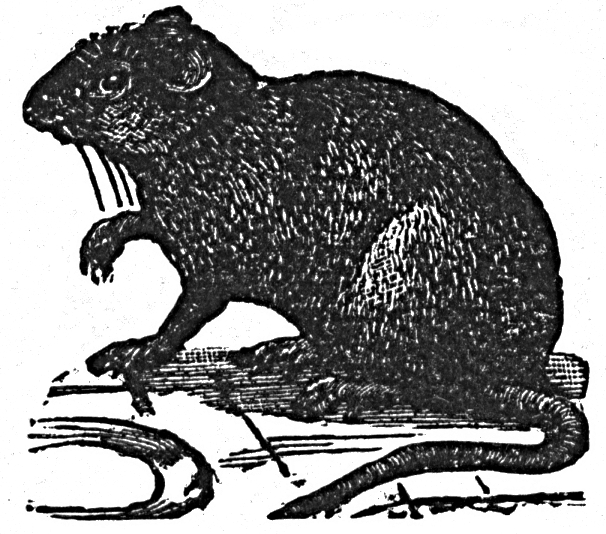
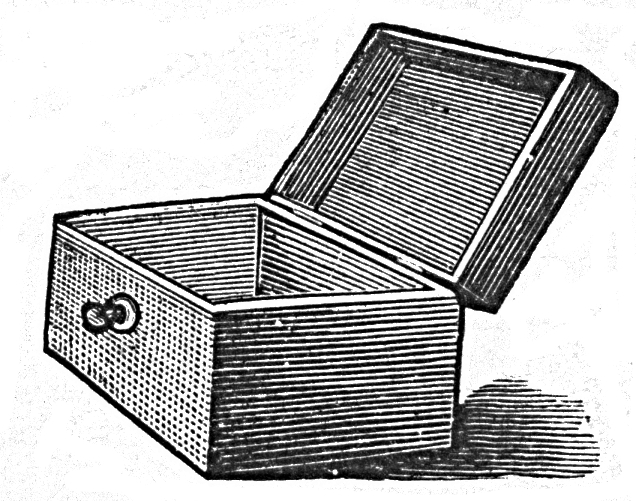
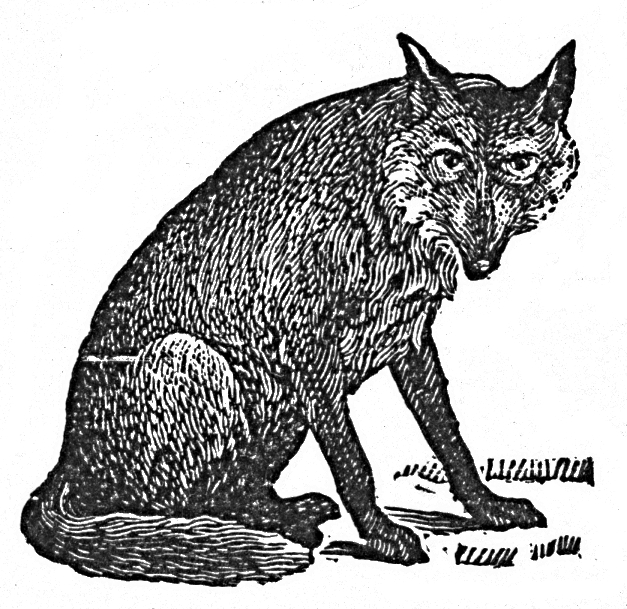
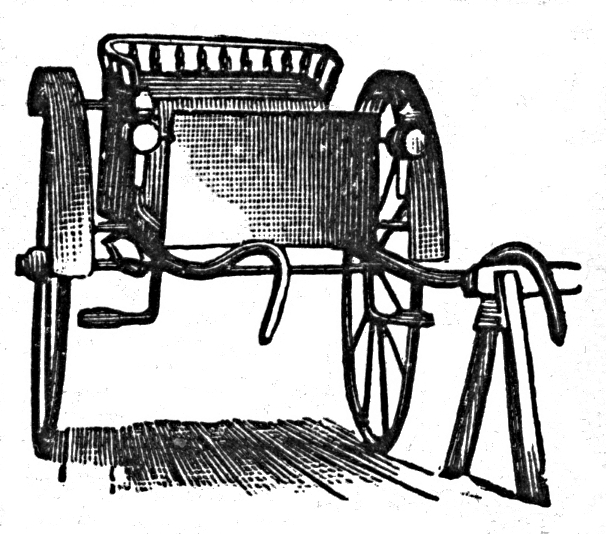
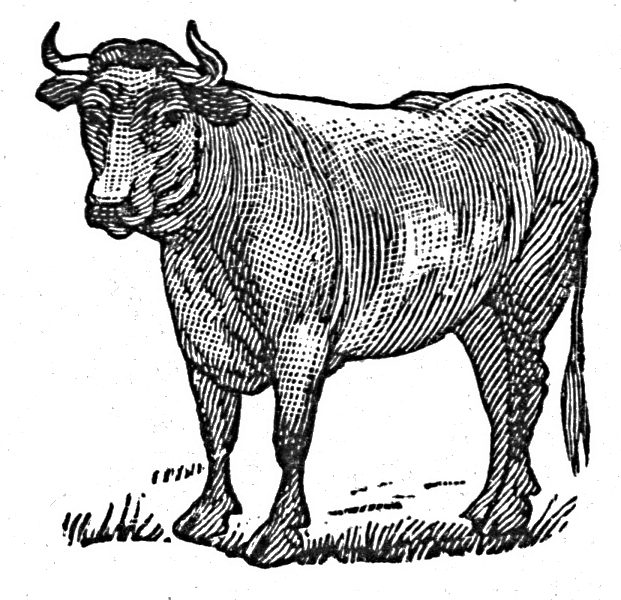
    primer rat engraving primer box engraving primer fox engraving primer gig engraving primer ox engraving
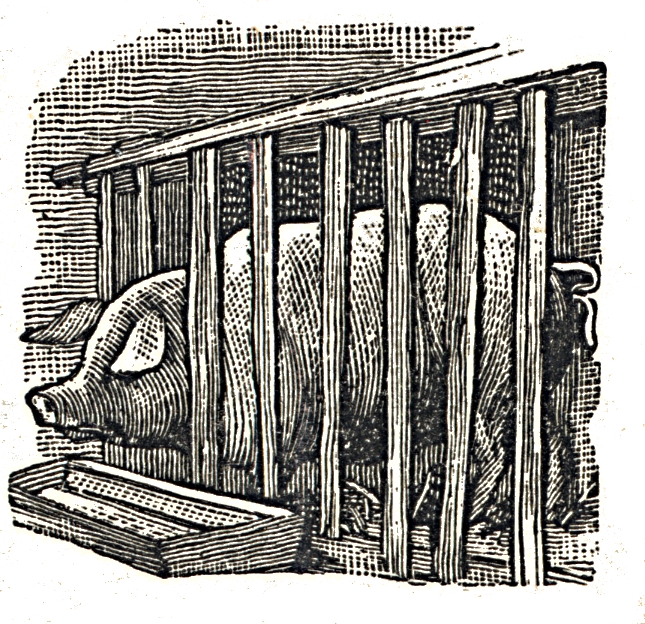
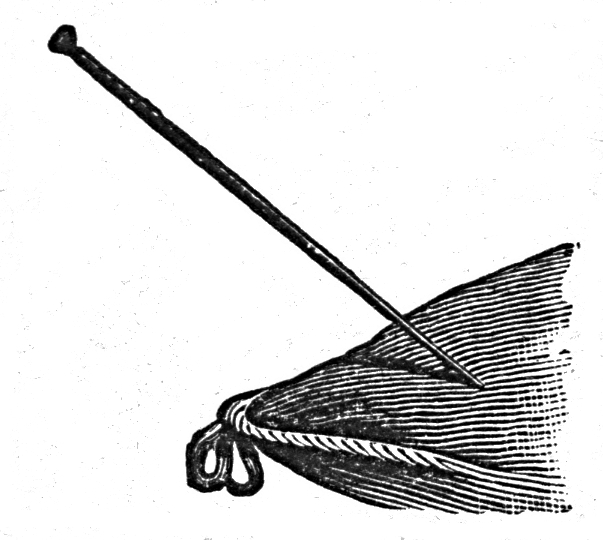
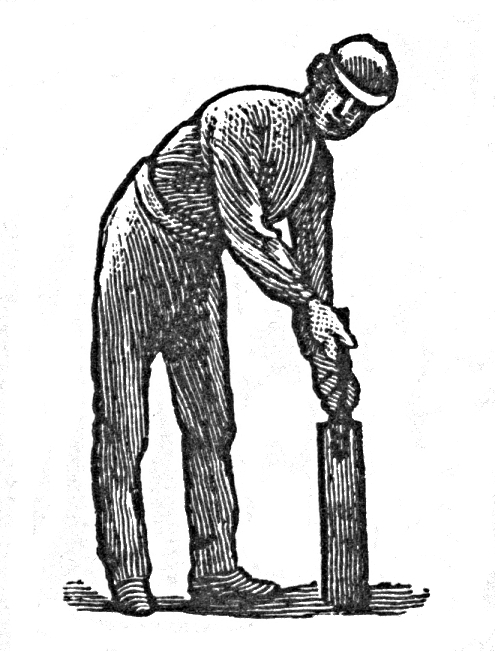
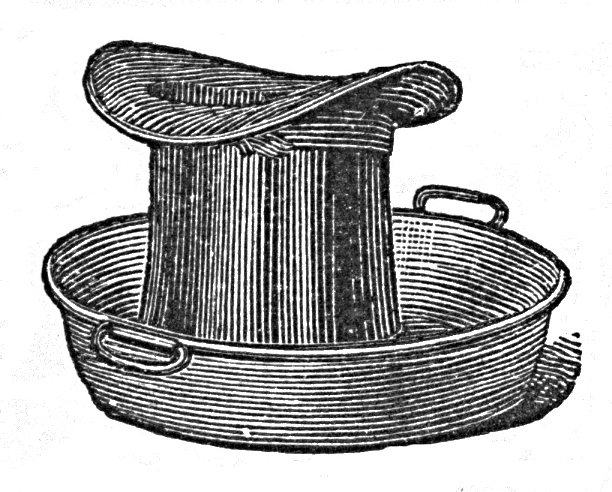
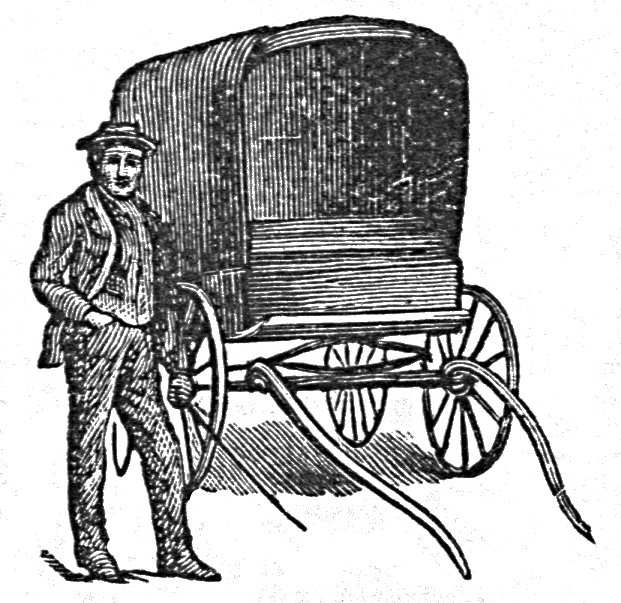
    primer pig engraving primer pin engraving primer cricket engraving primer hat and pan engraving primer man and van engraving
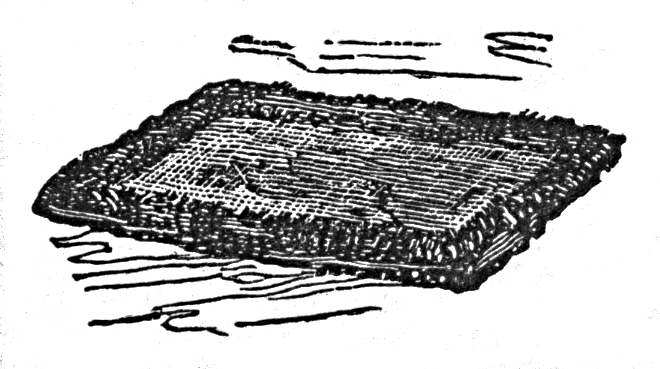
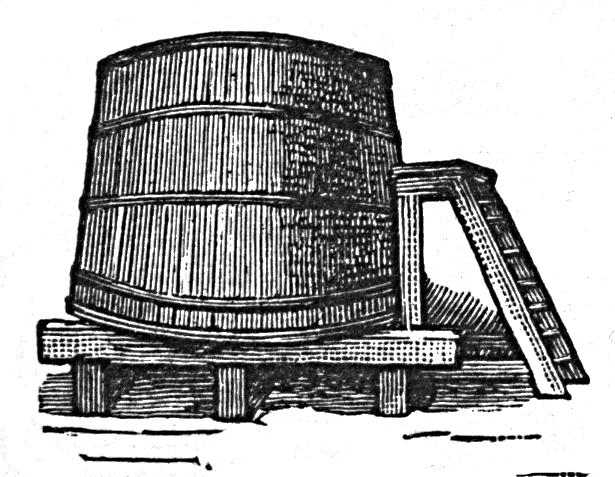
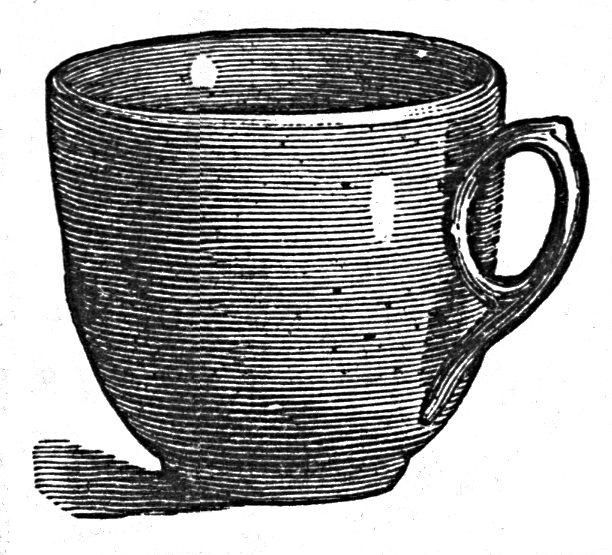
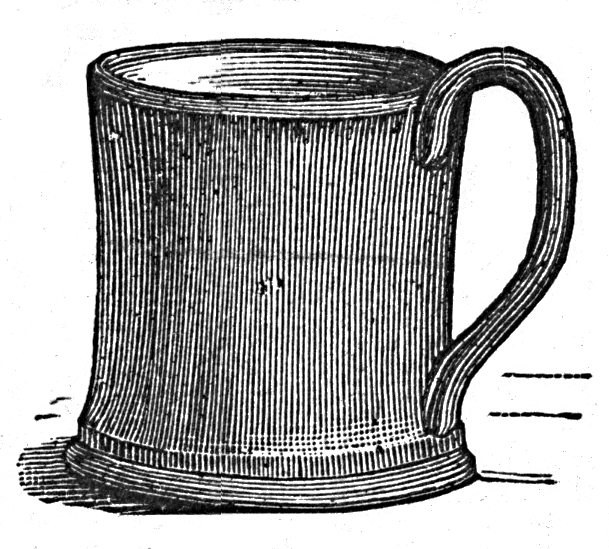
    primer mat engraving primer top engraving primer vat engraving primer cup engraving primer mug engraving
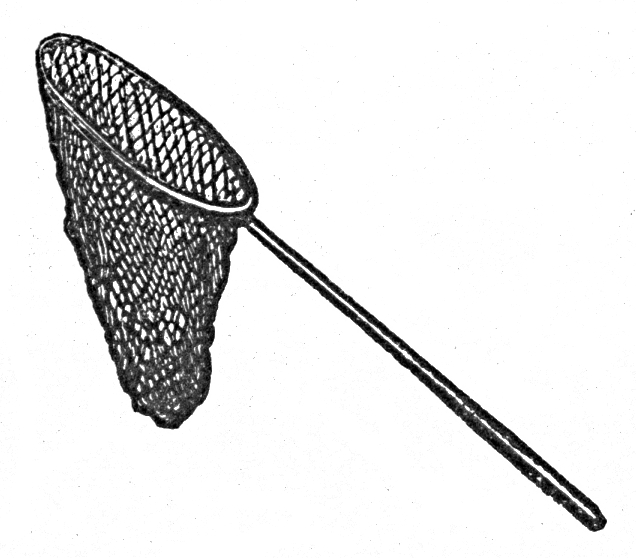
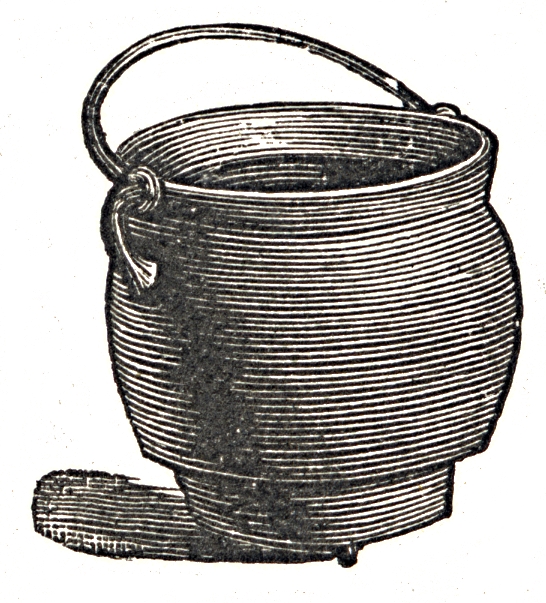
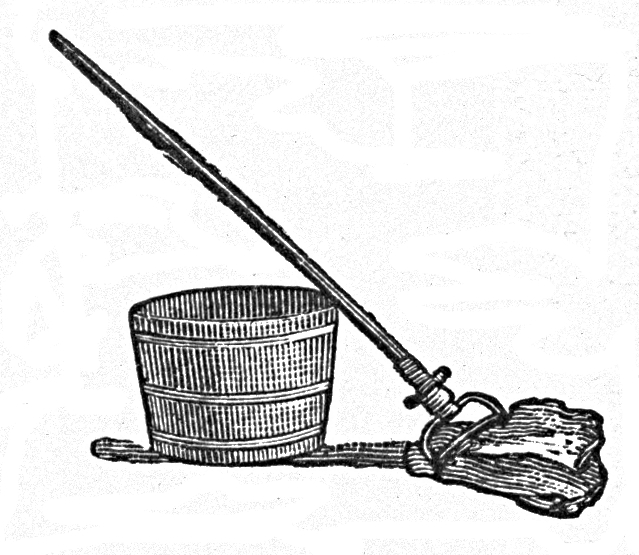
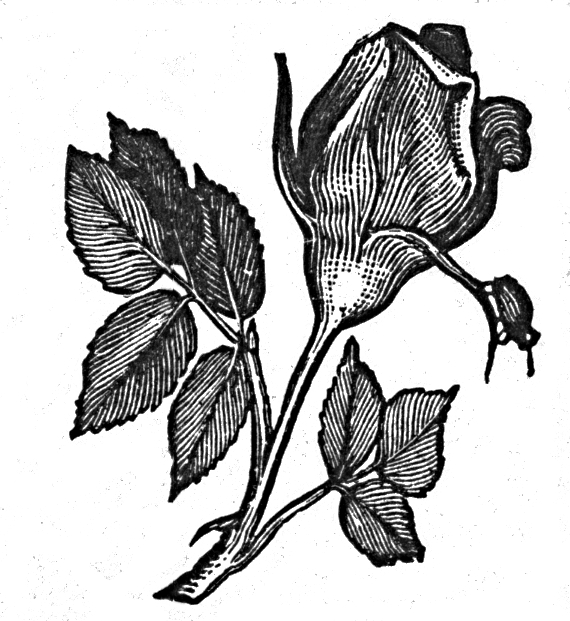
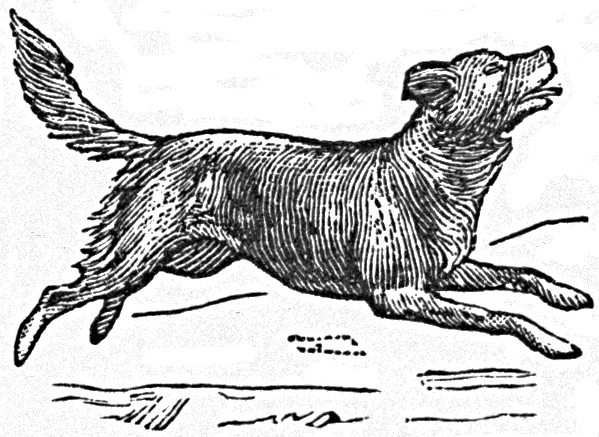
    primer net engraving primer pot engraving primer mop engraving primer rose engraving primer dog engraving
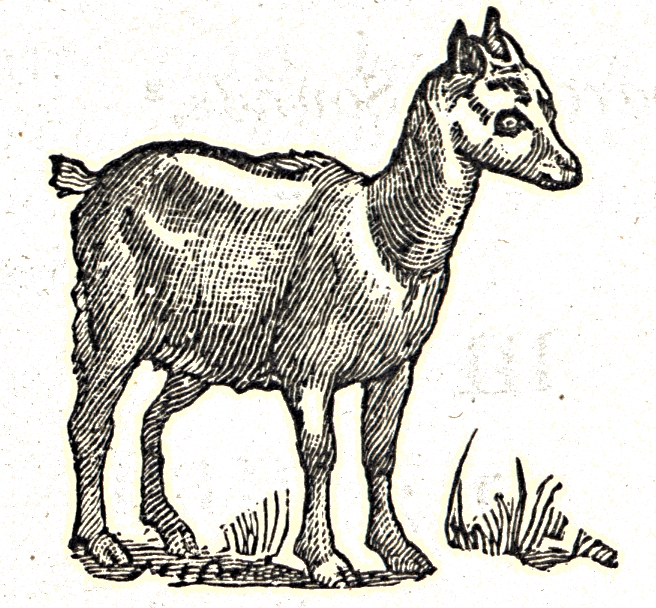
    primer hog engraving primer log engraving primer goat engraving primer lid engraving primer wig engraving
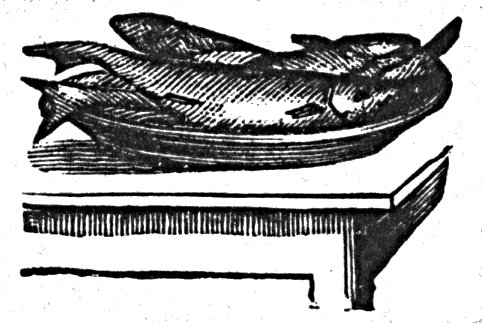
    primer fish engraving
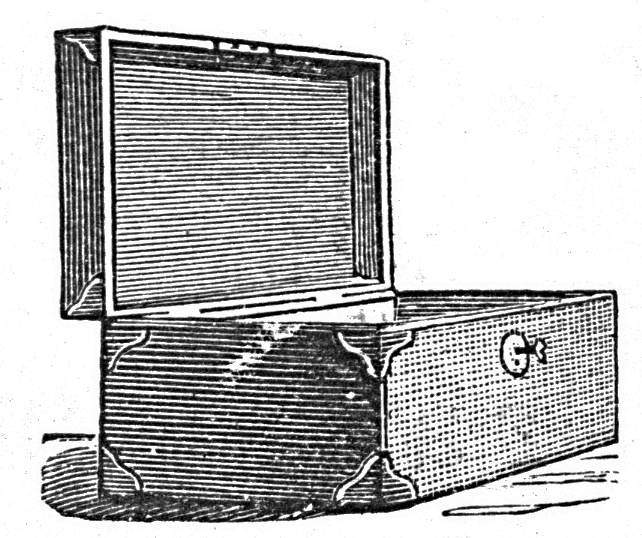
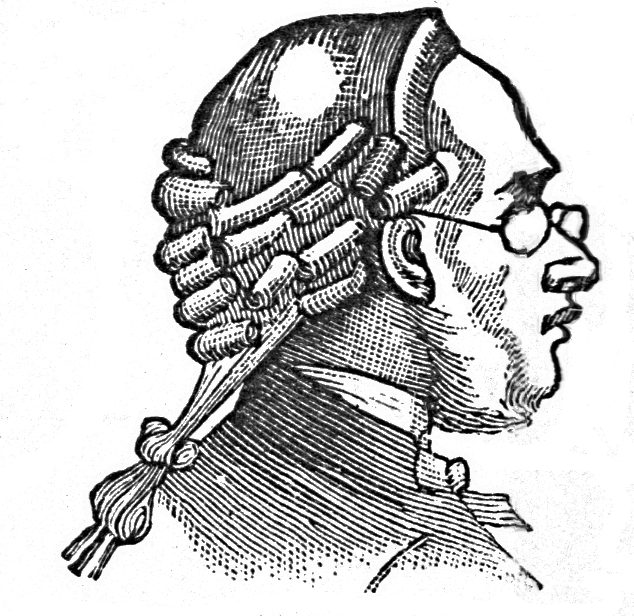
    bowler hat engraving trunk engraving
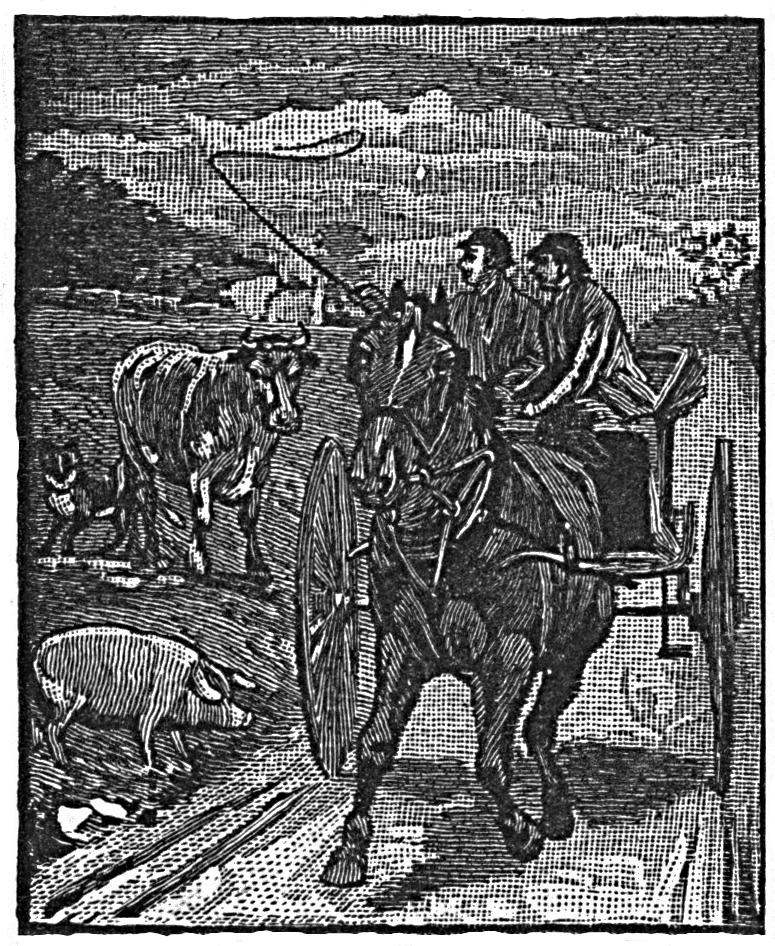
    horse and buggy ride engraving field, open gate engraving
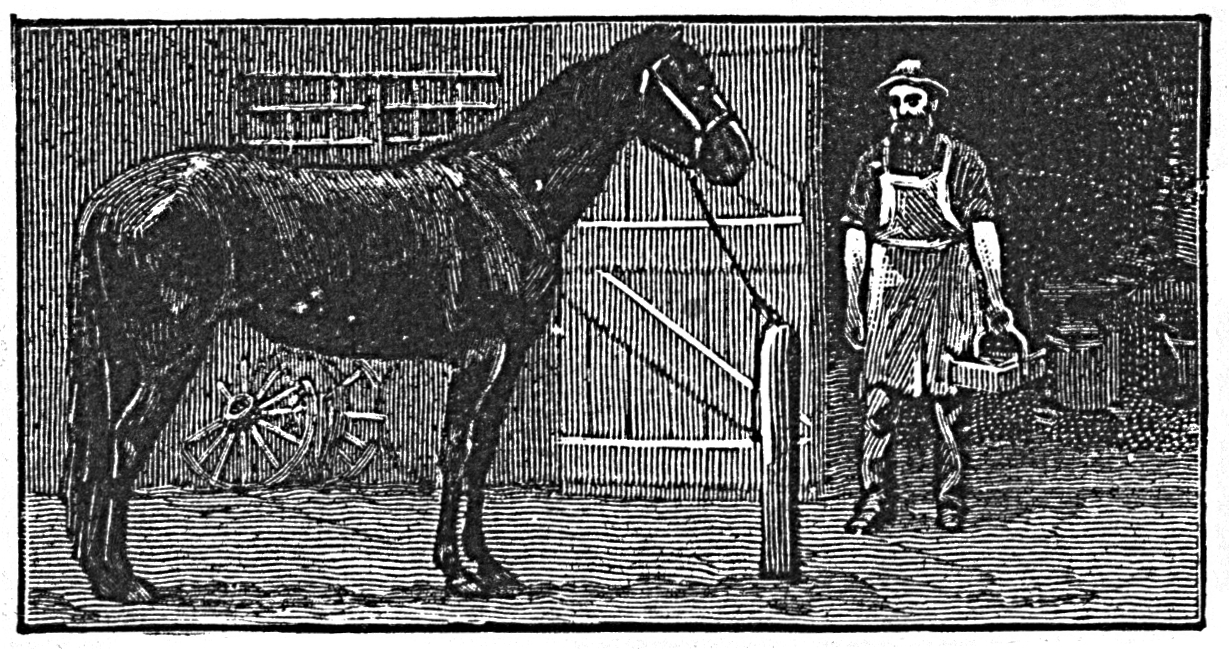
    wood shed engraving blacksmith engraving
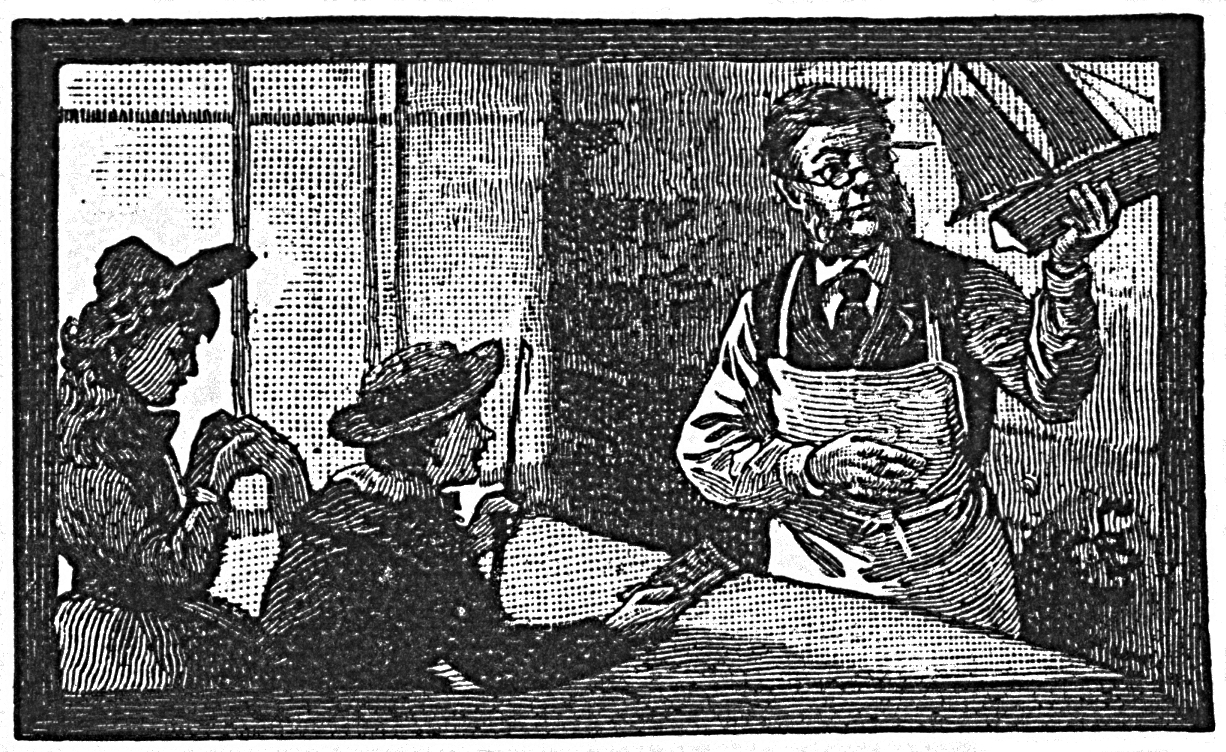
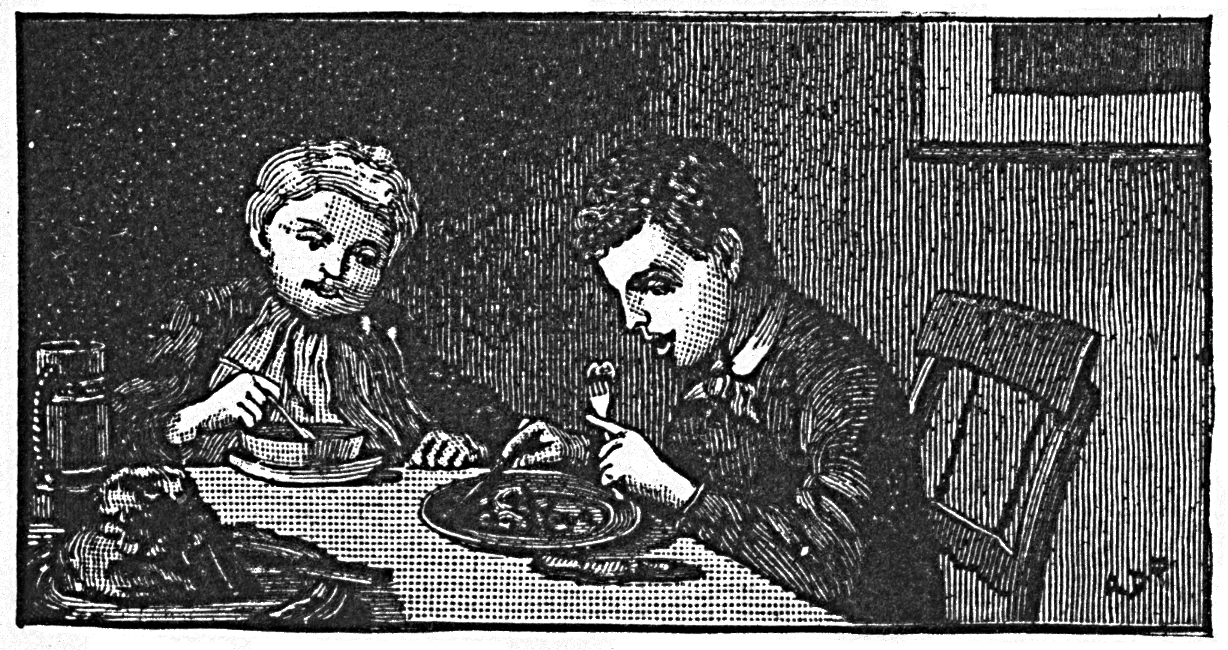
    toy shop engraving dinner table engraving
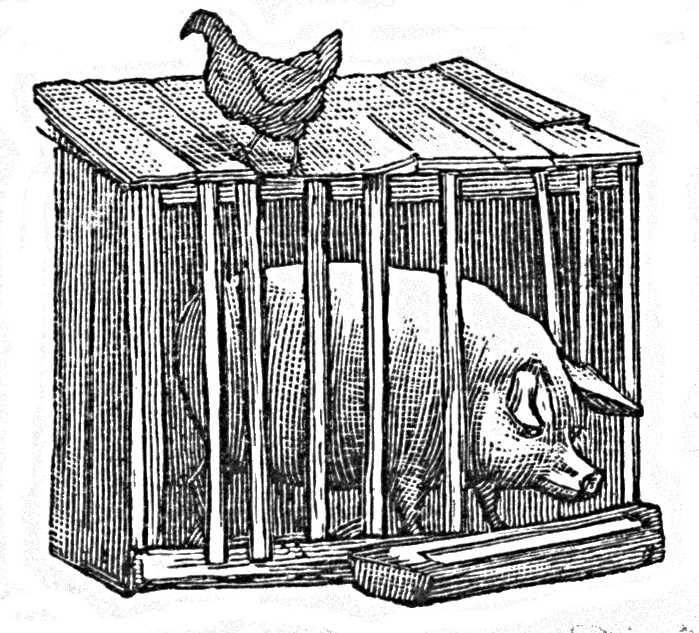
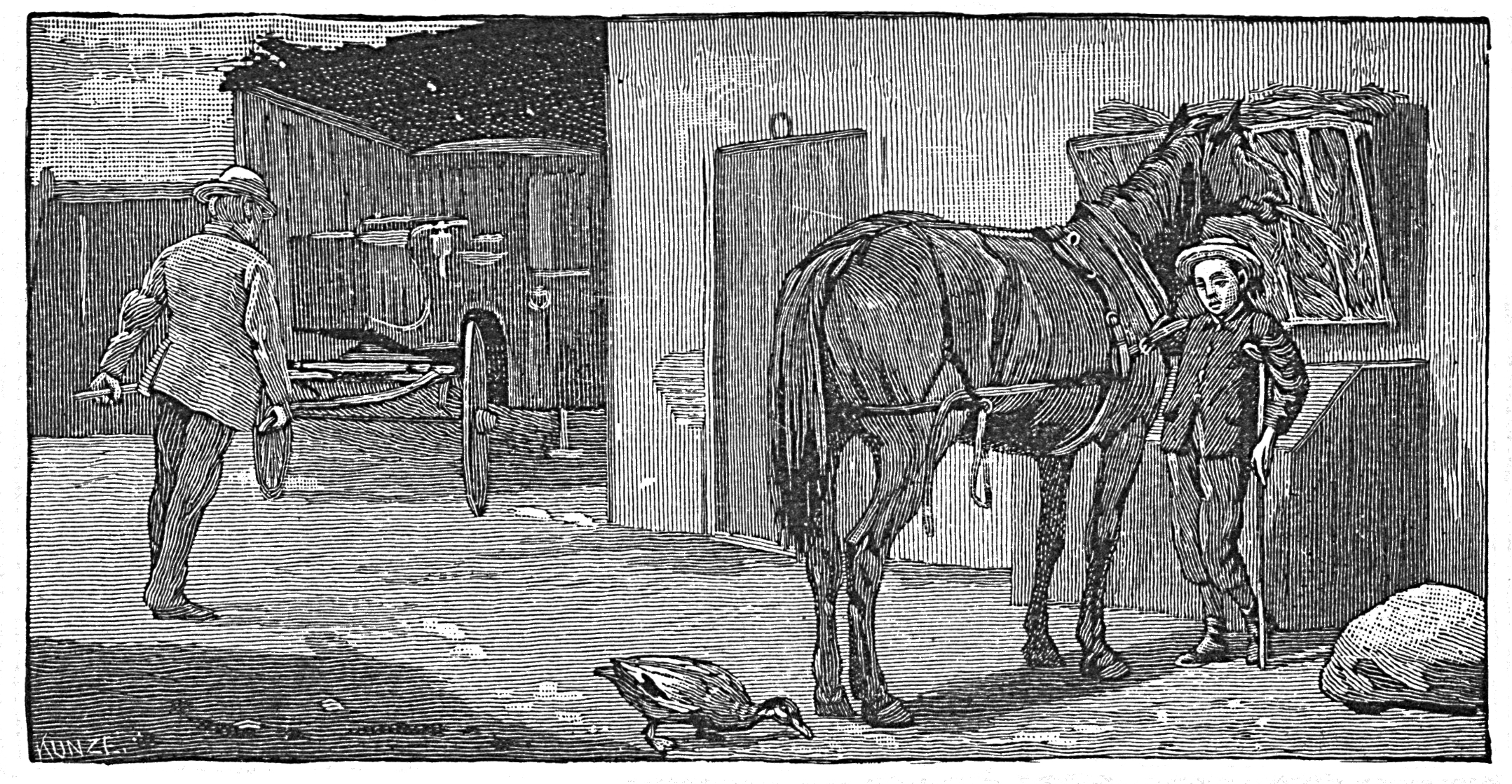
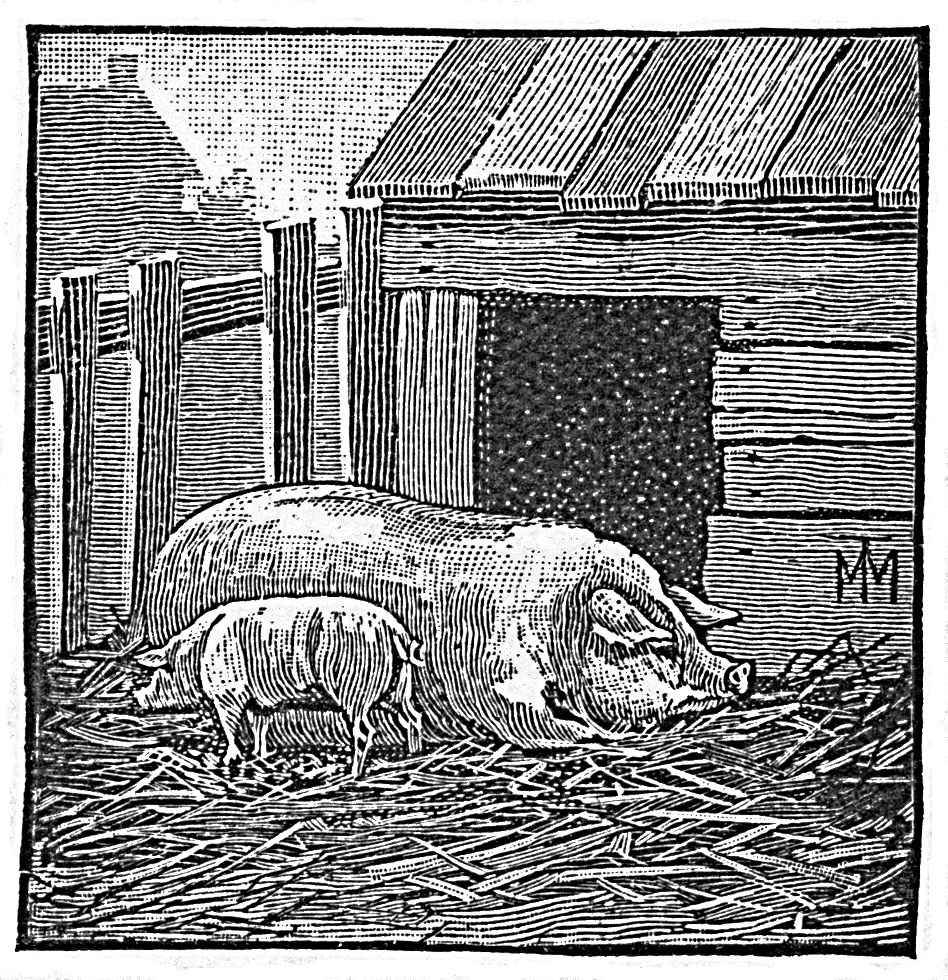
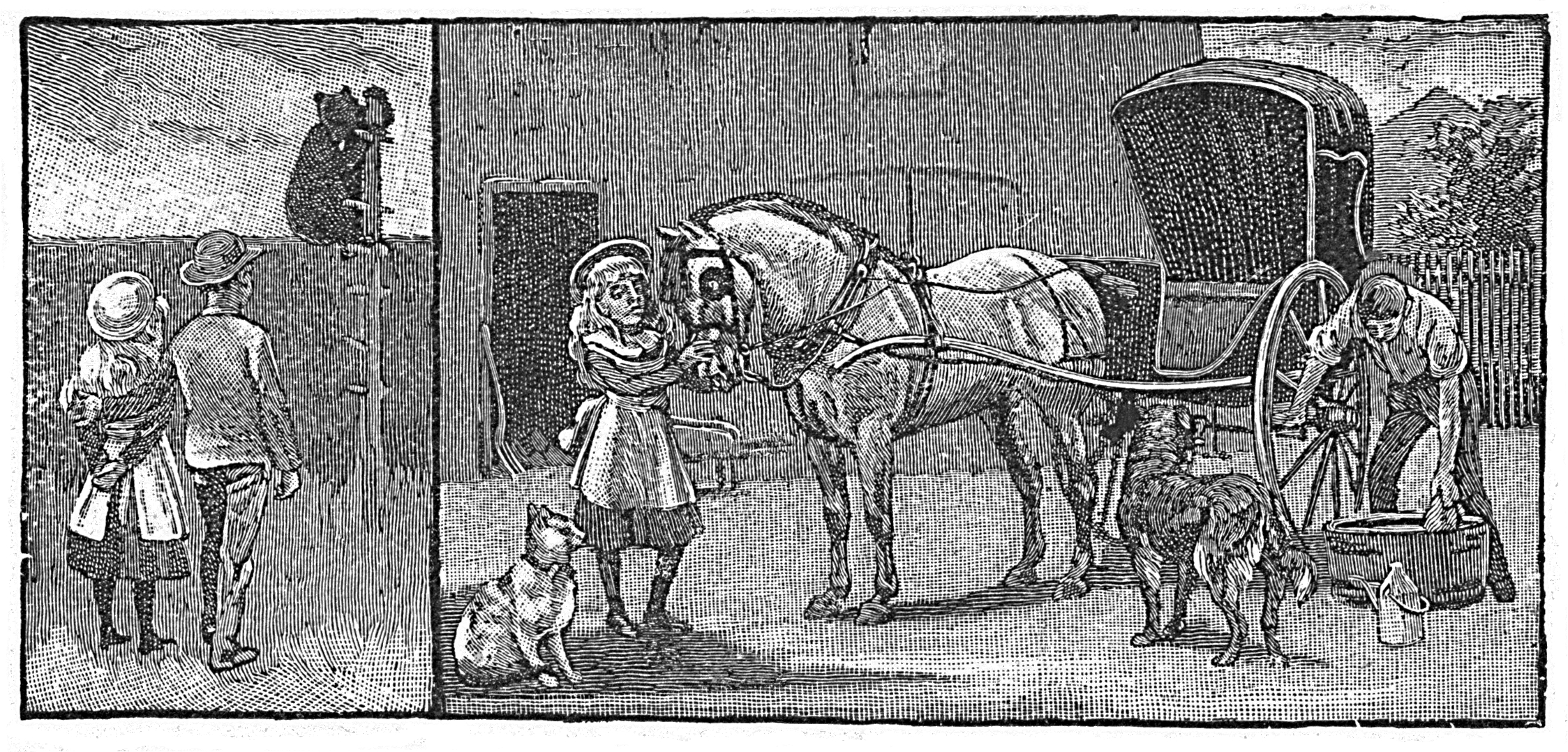
    stable engraving barn, pigs engraving
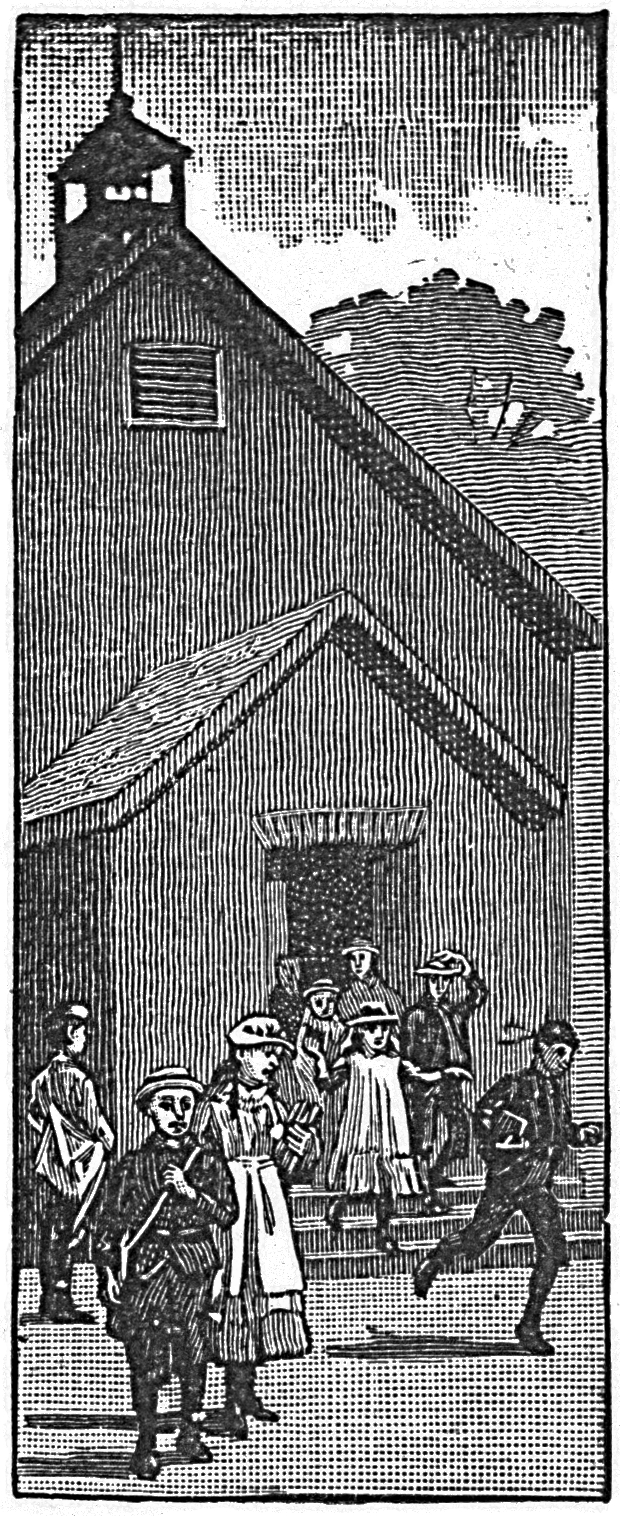
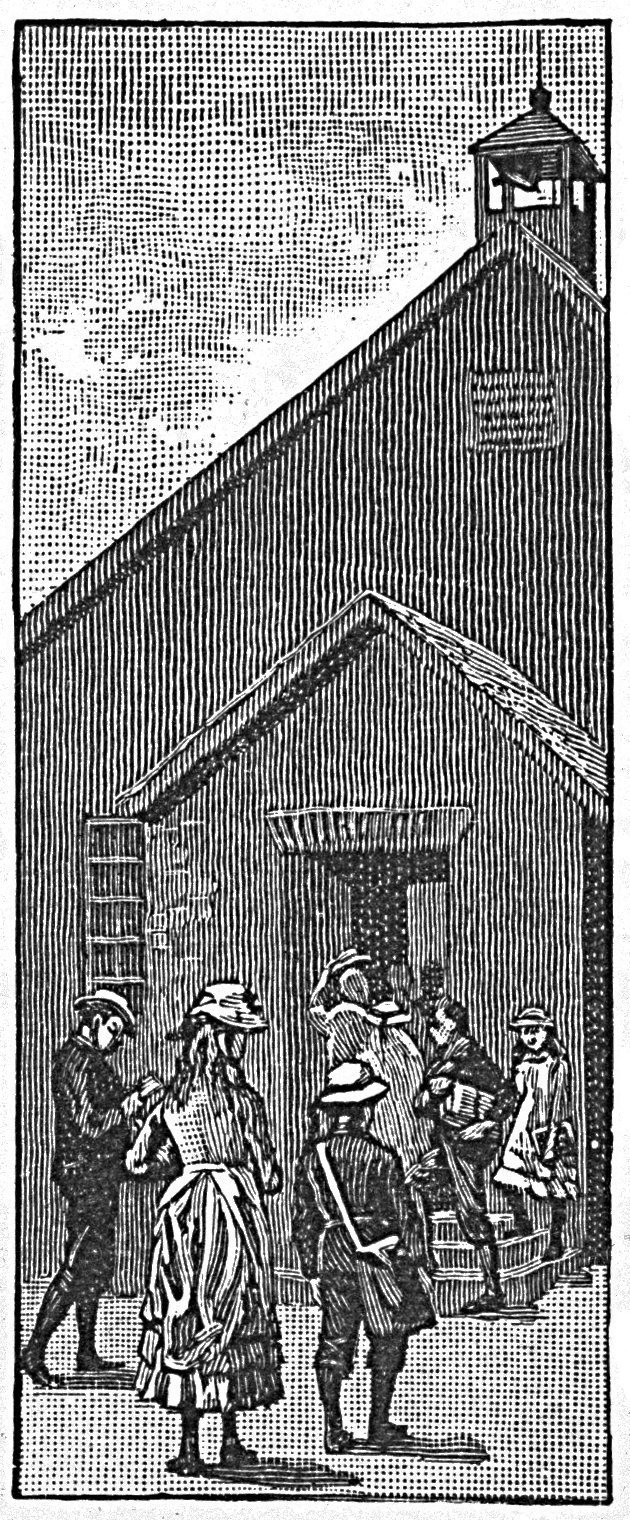
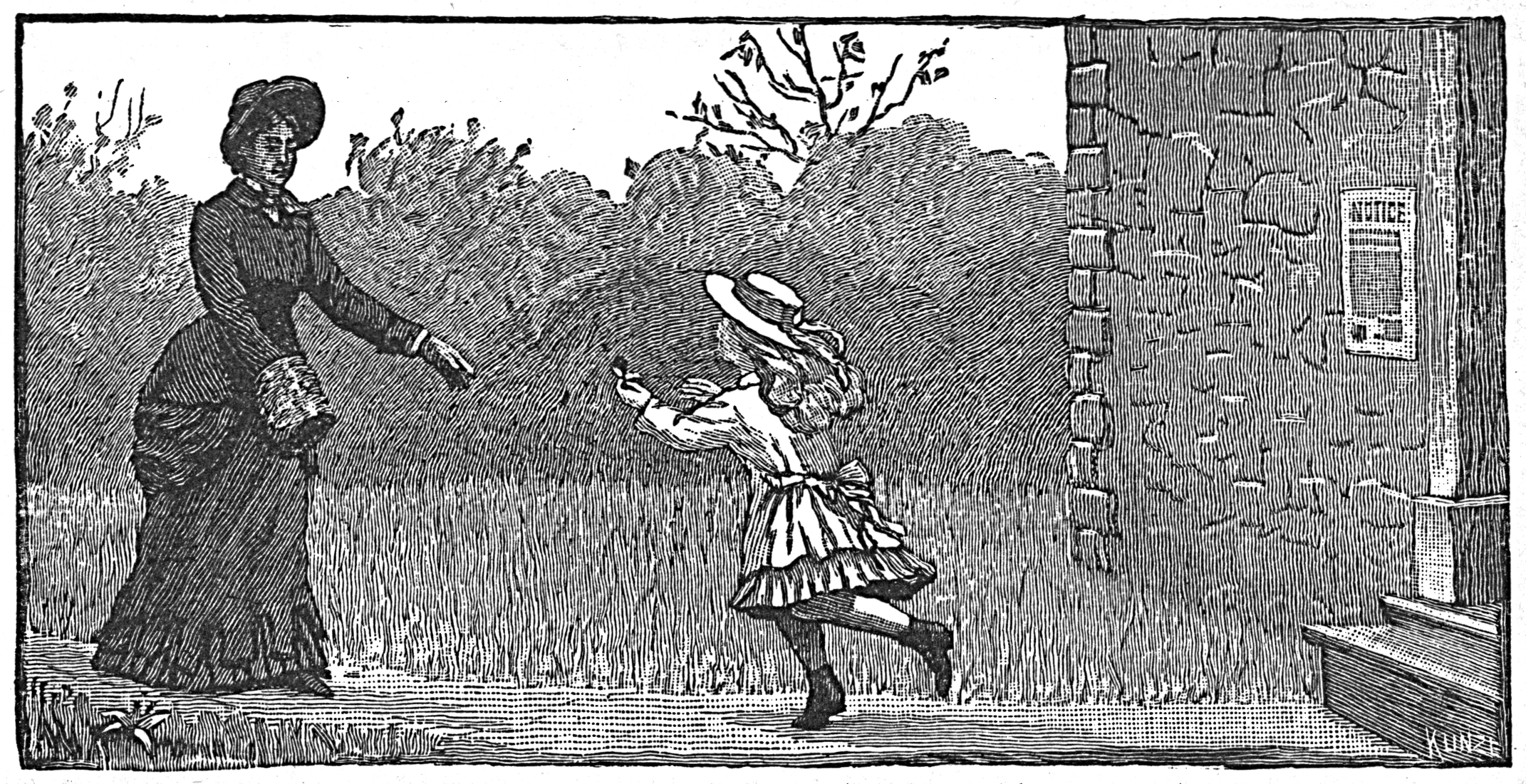
    schoolhouse engraving schoolhouse engraving mother and daughter, school's out engraving
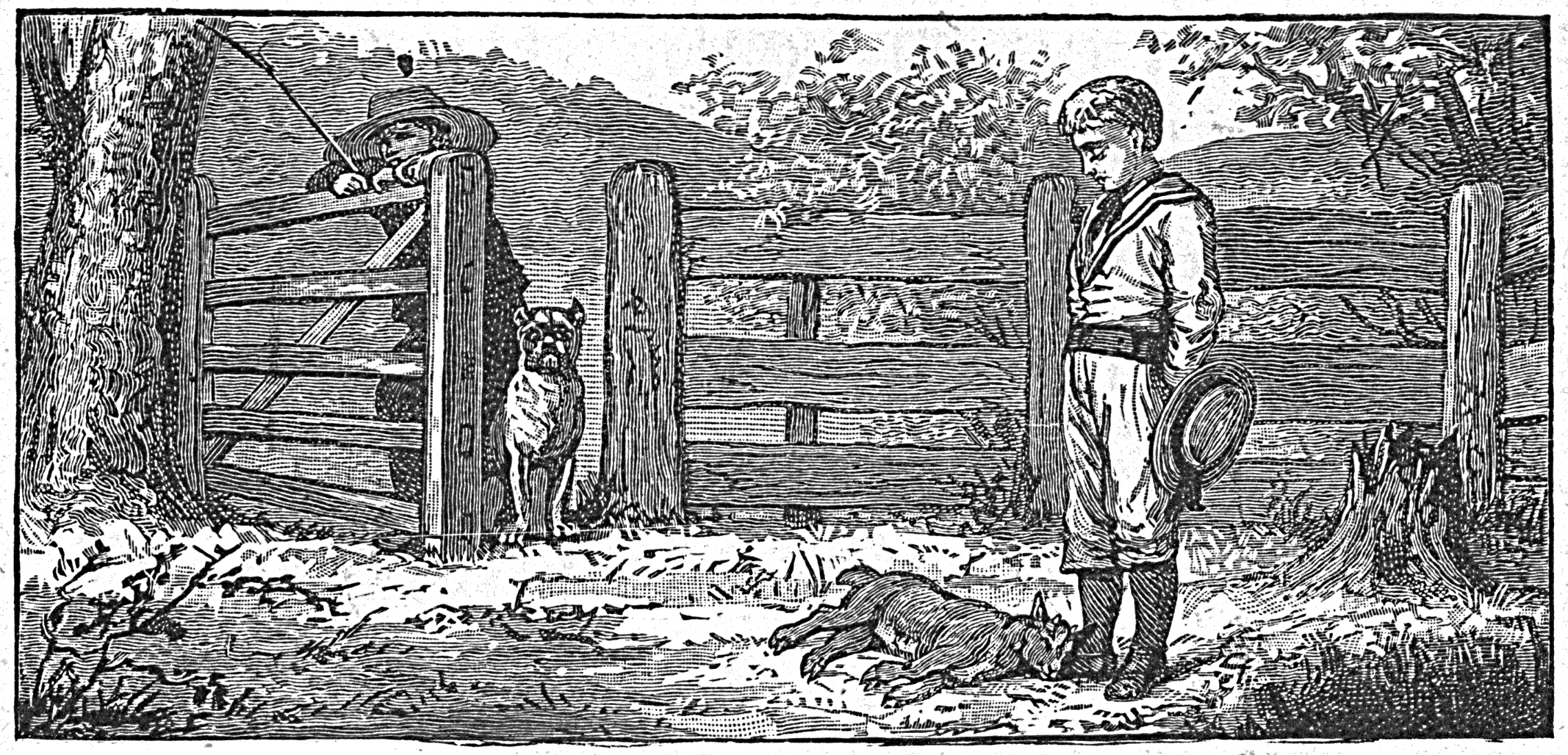
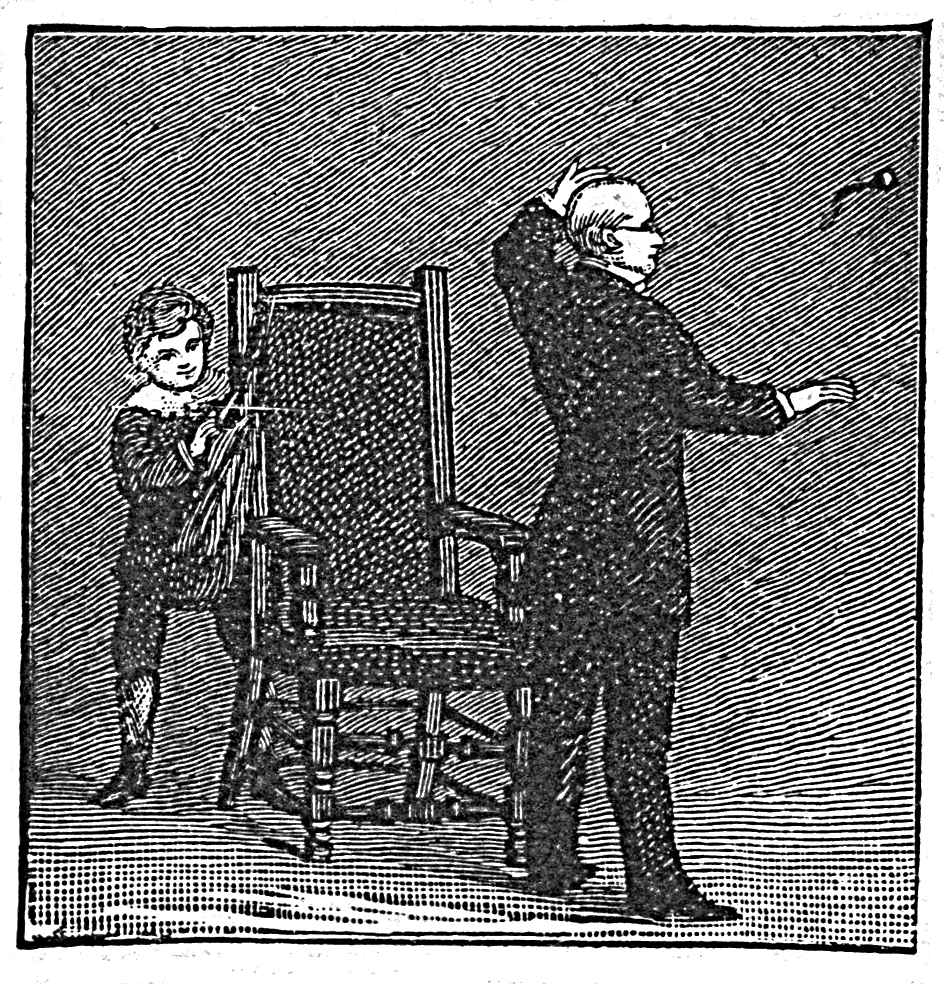
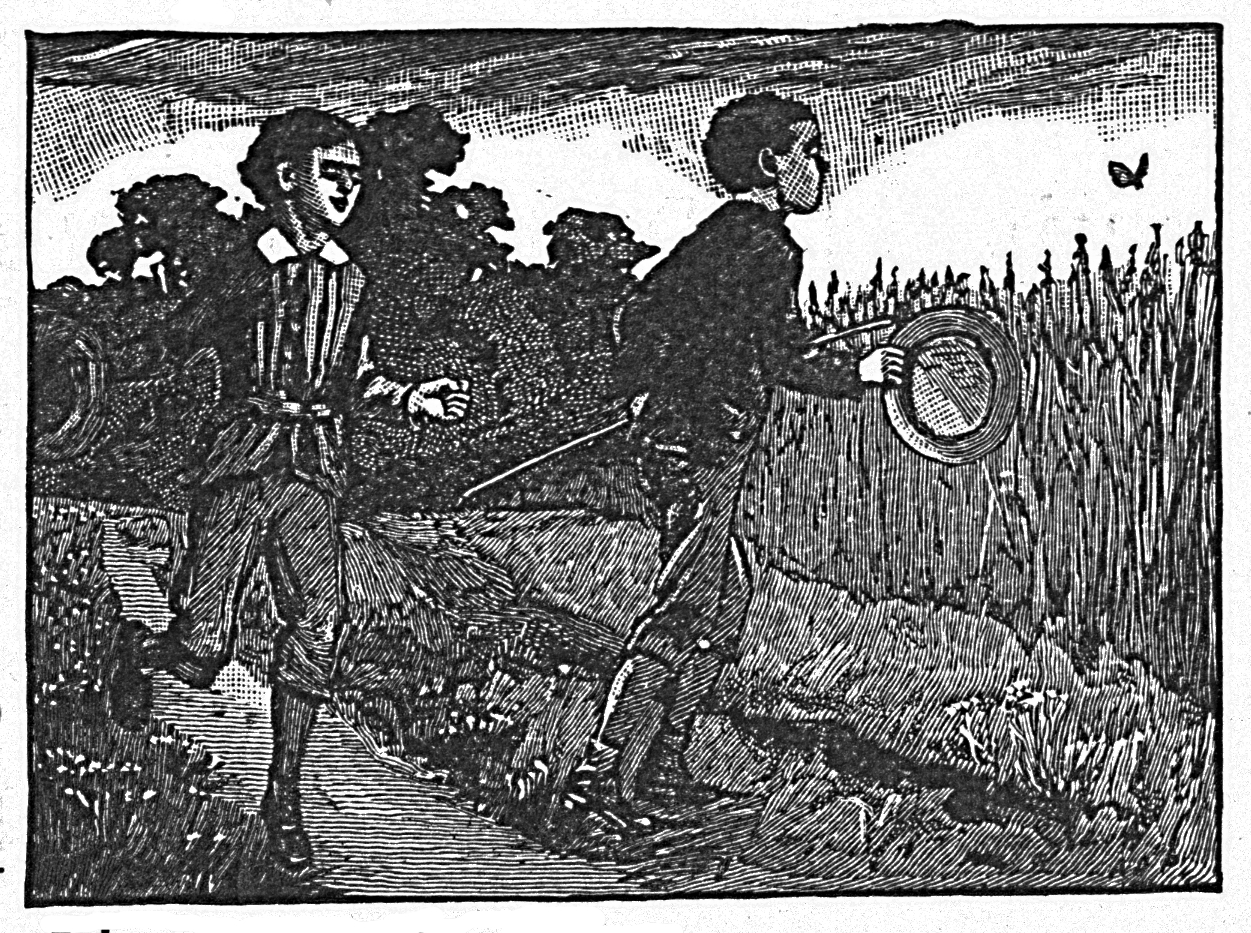
    boy and dog engraving mischief, mischievious boy engraving
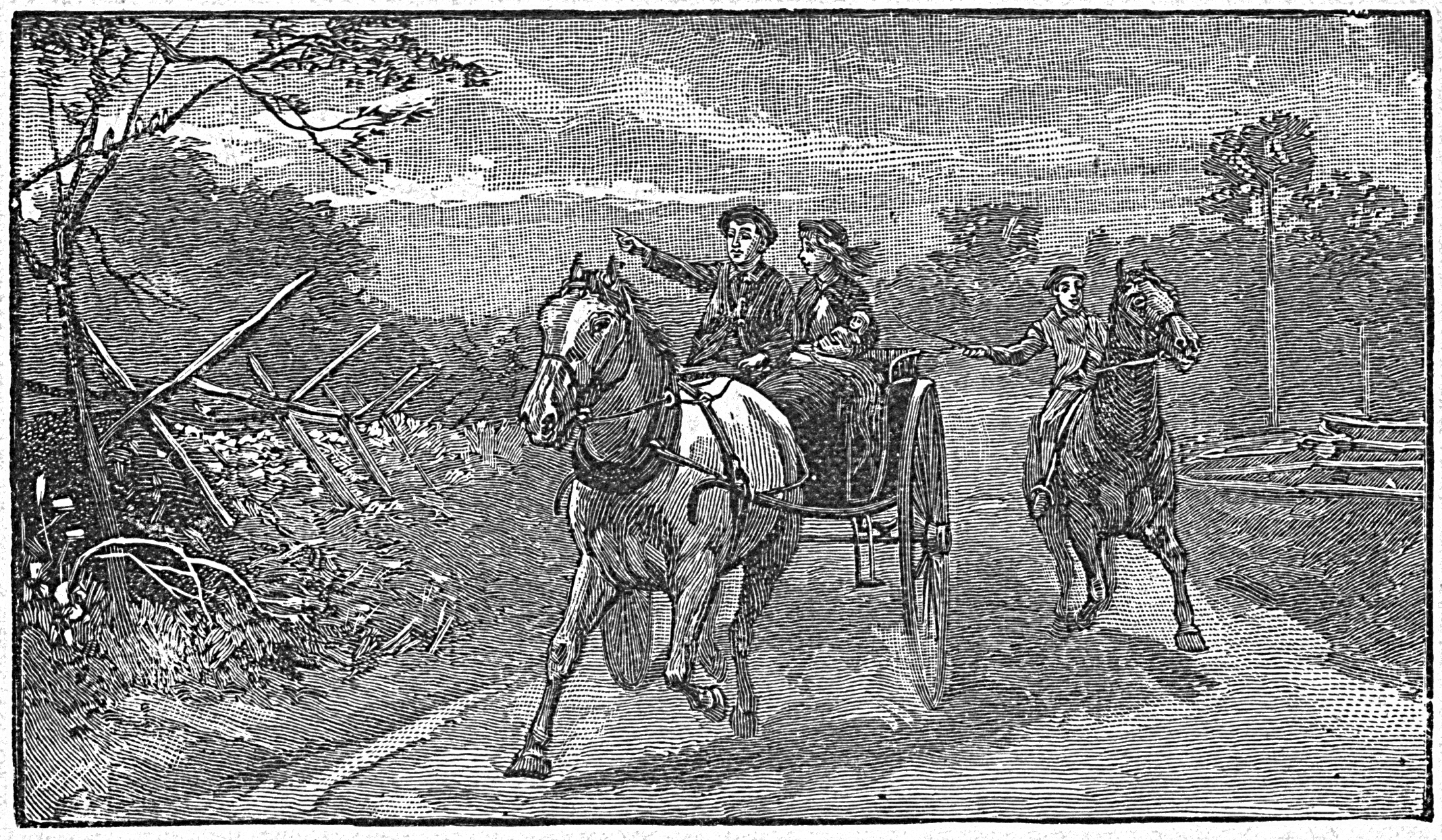
    riding engraving buggy ride engraving
    horse and buggy engraving
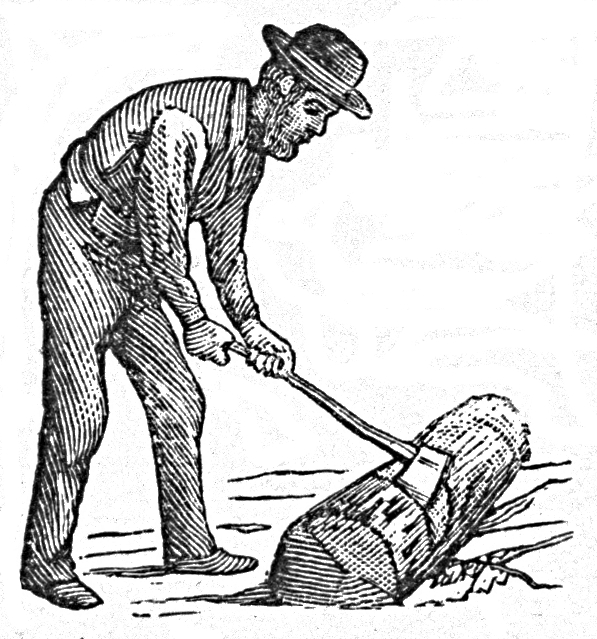
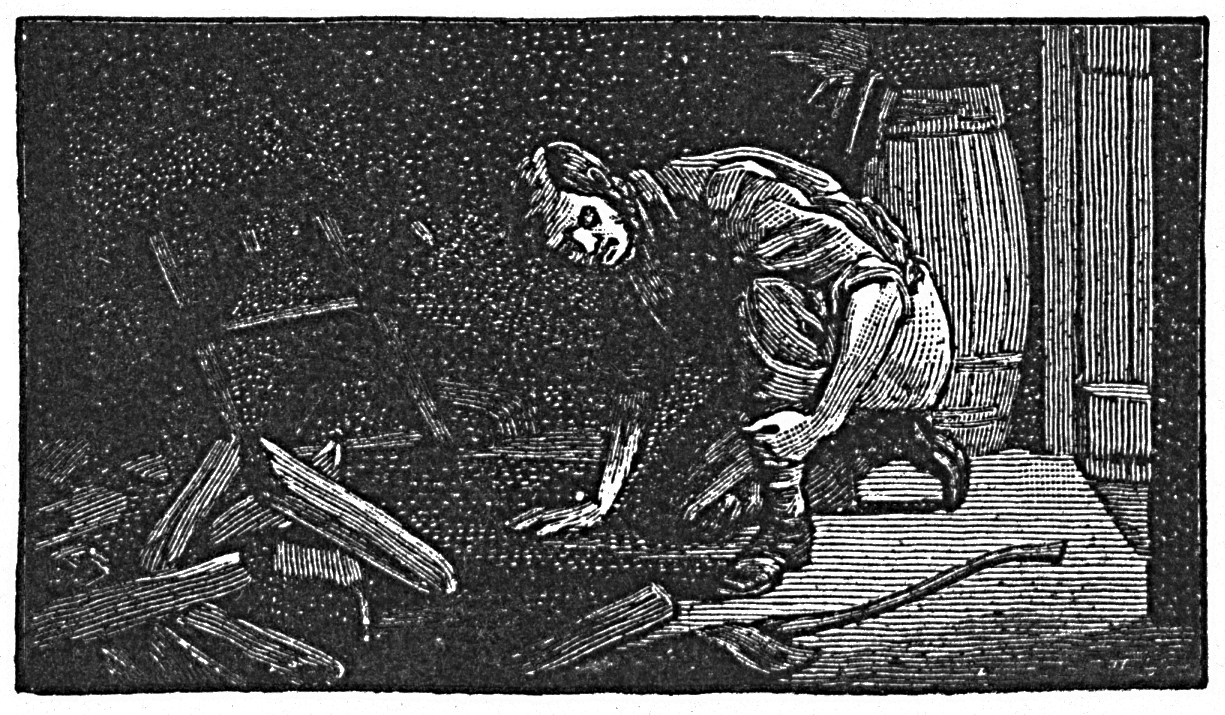
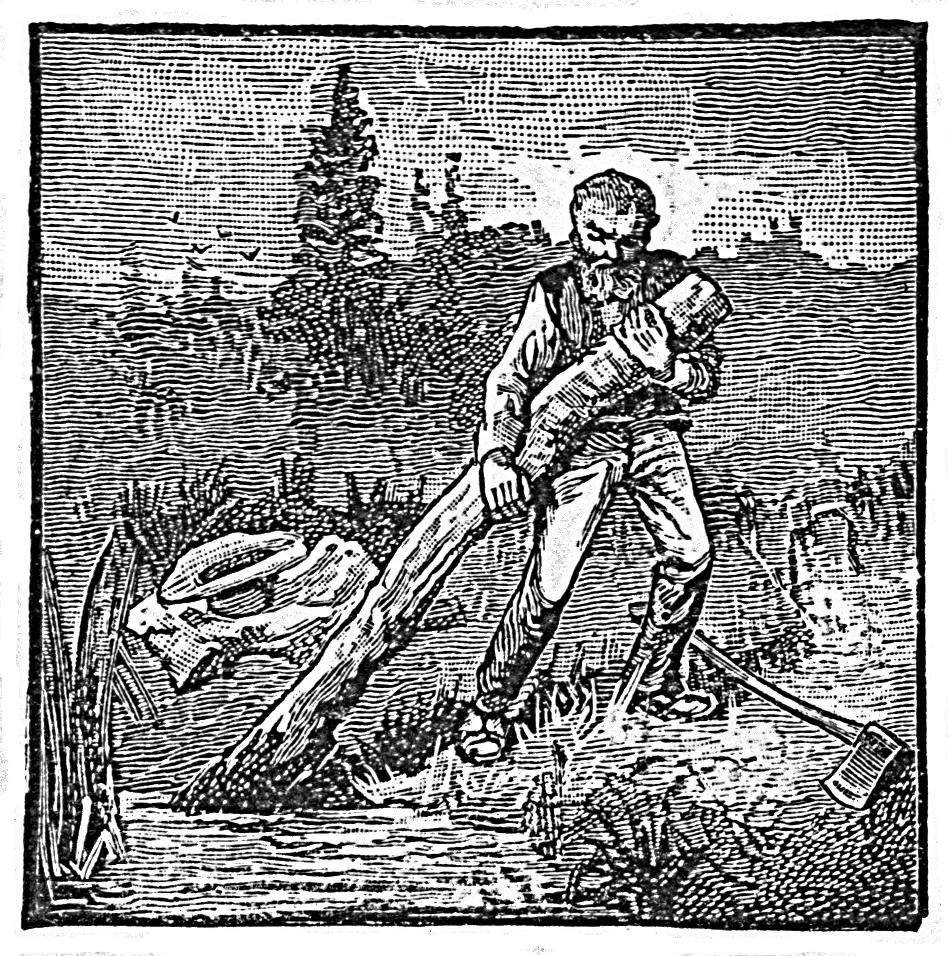
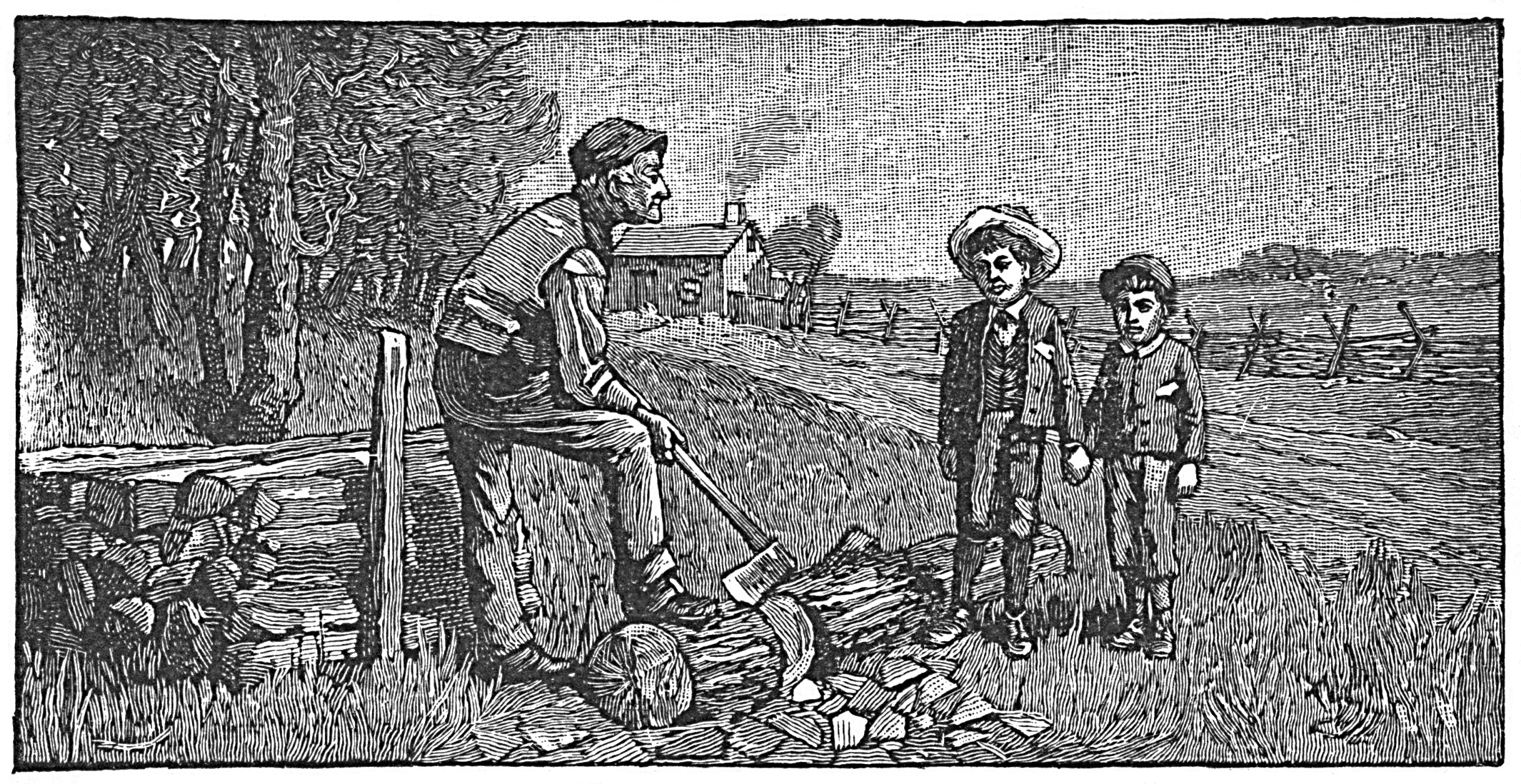
    woodsman, dead wood engraving man chopping wood engraving
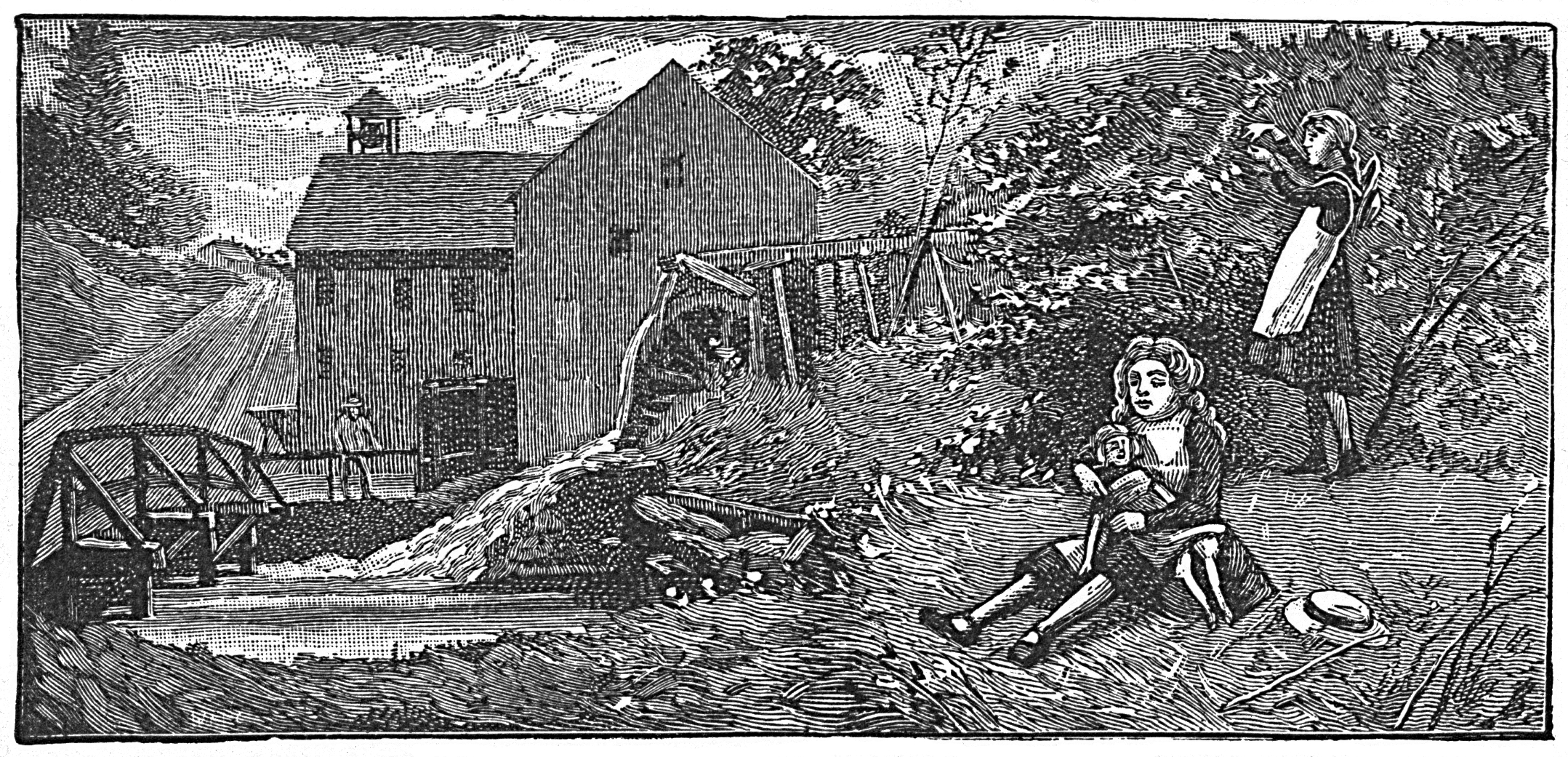
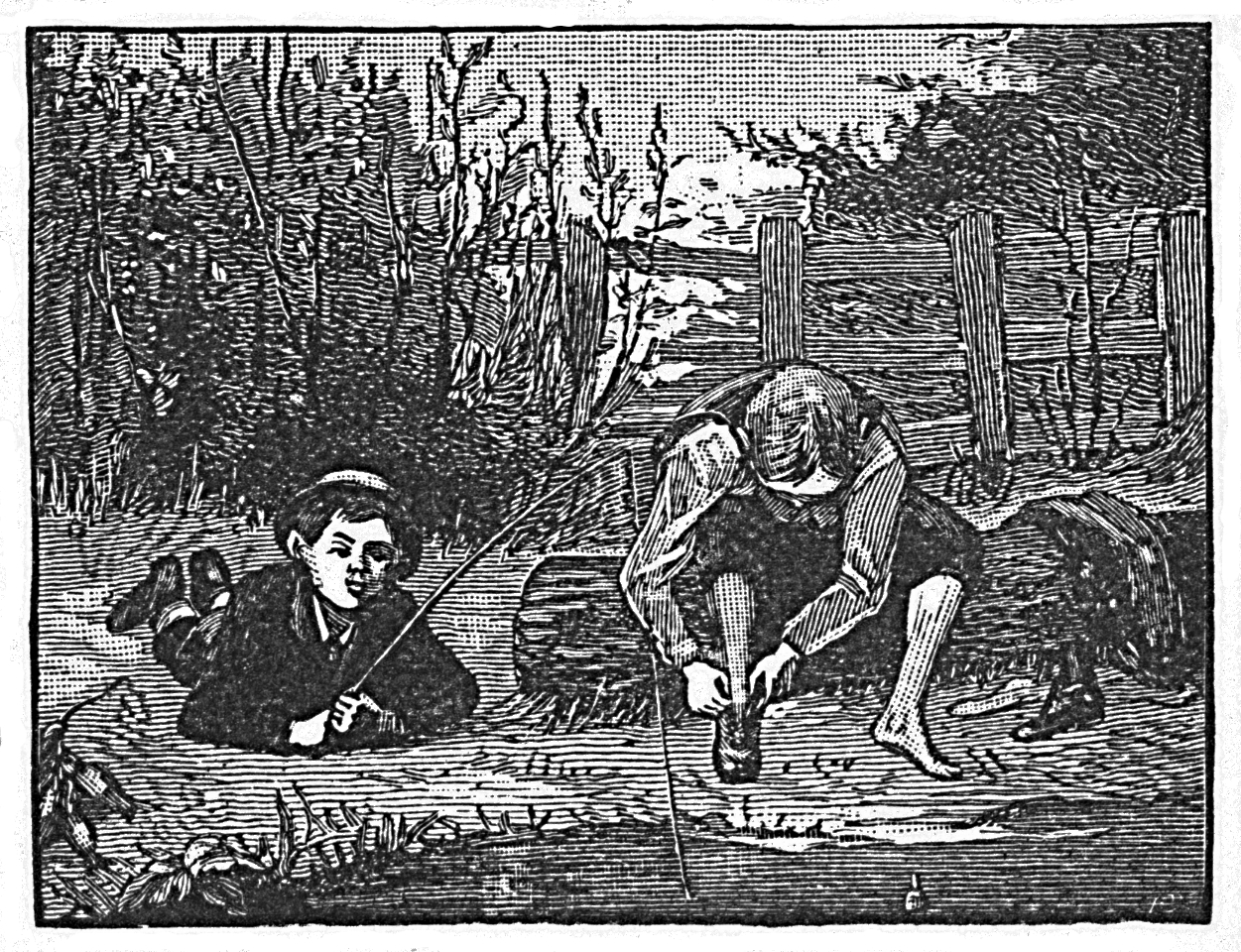
    water wheel engraving boys fishing, engraving
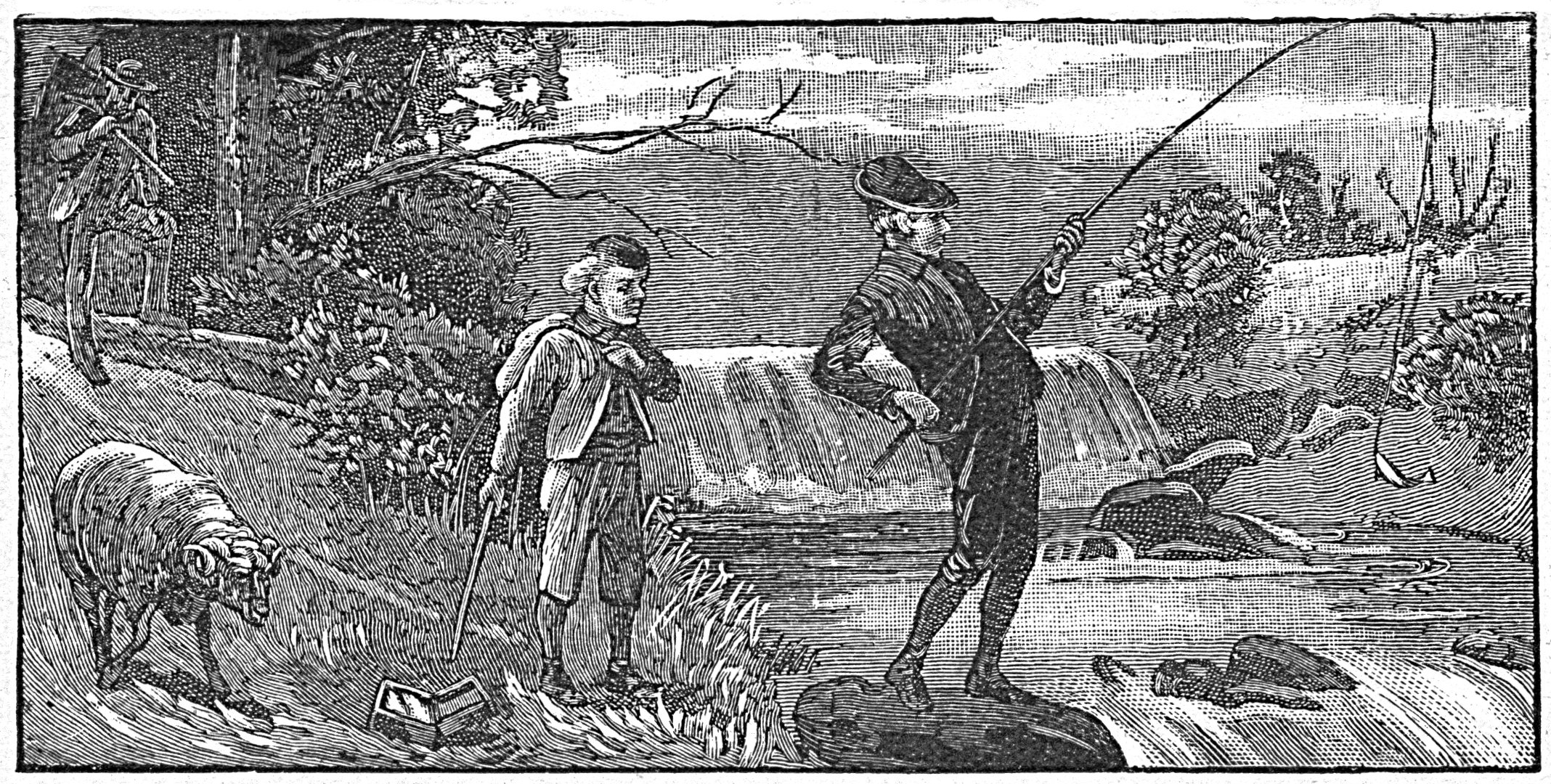
    river, fishing engraving boys, fishing rod engraving
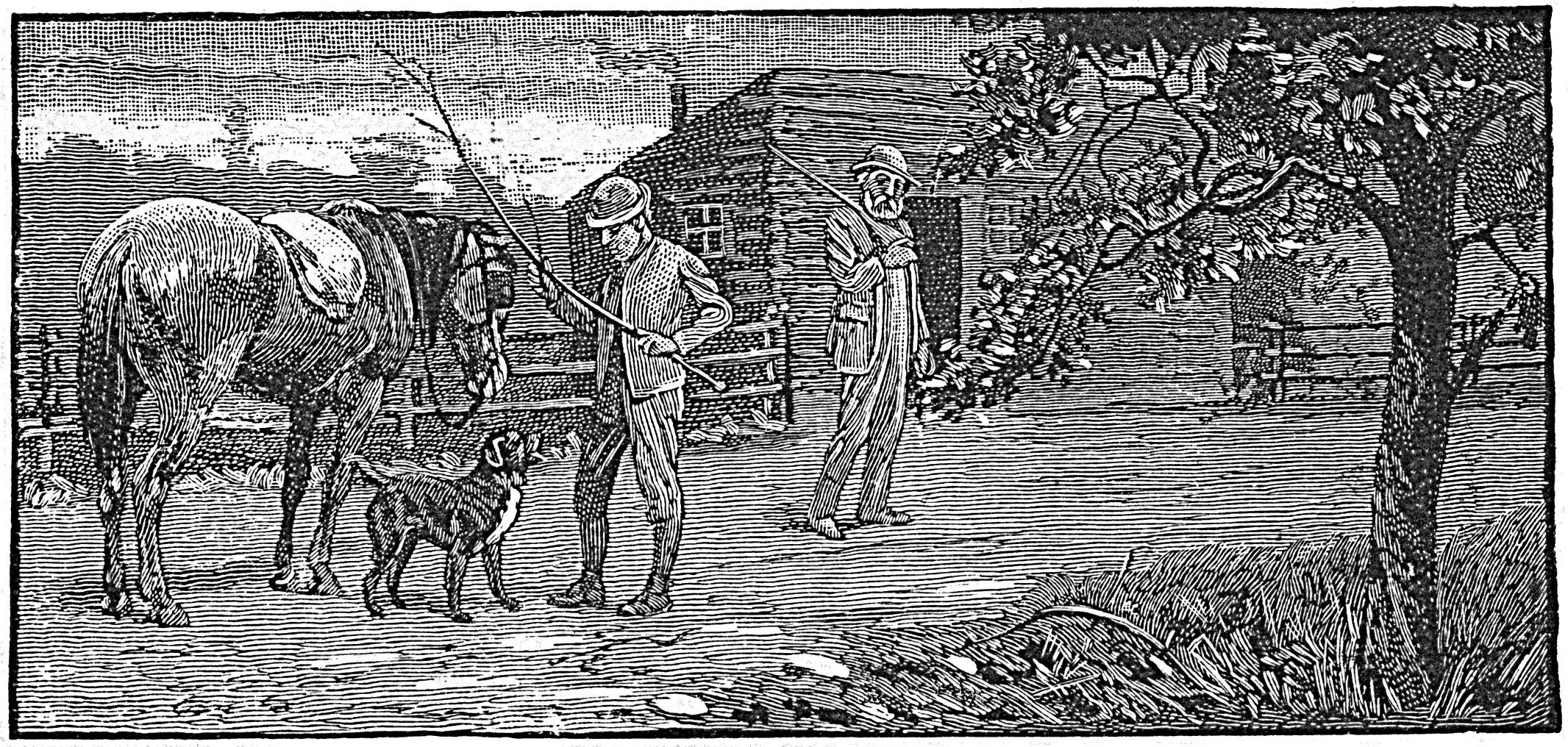
    horse and dog engraving
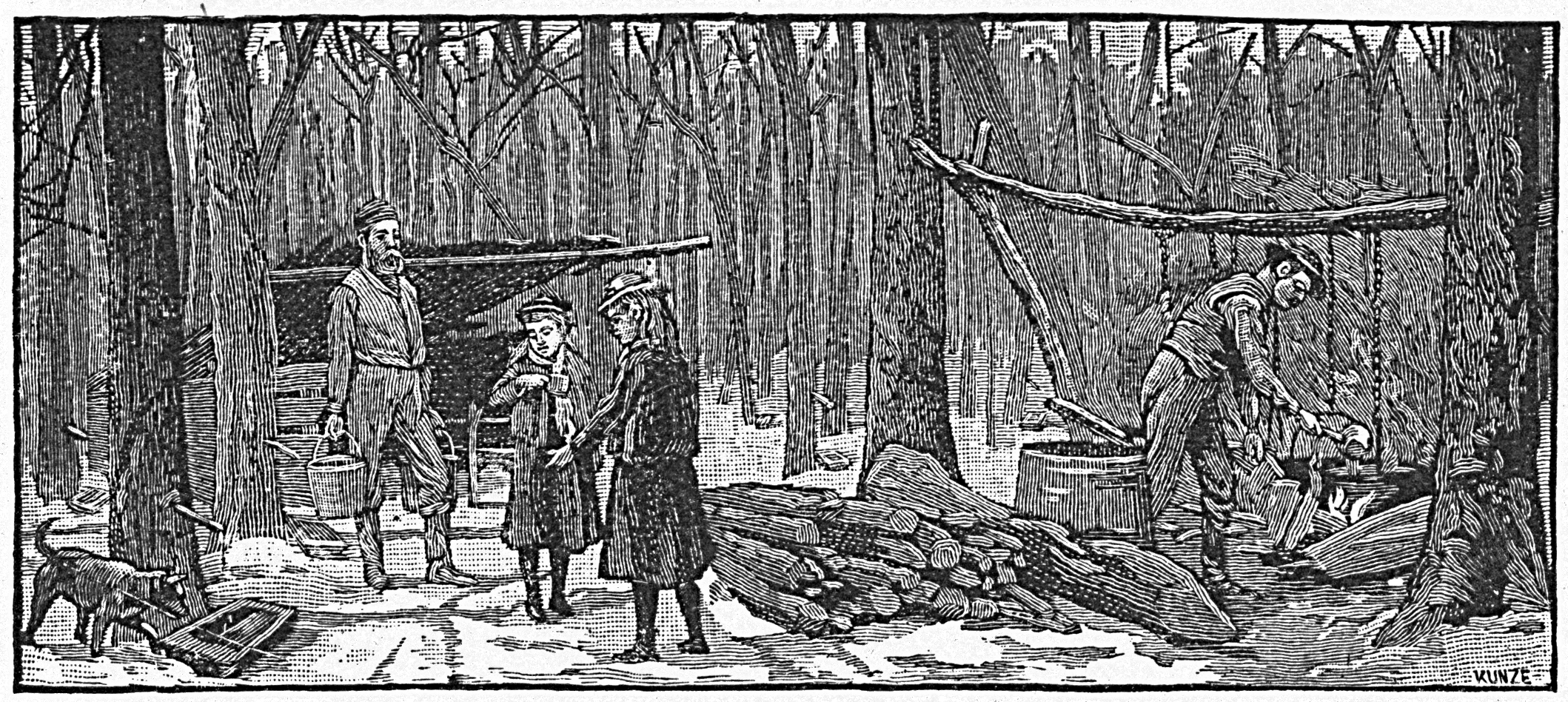
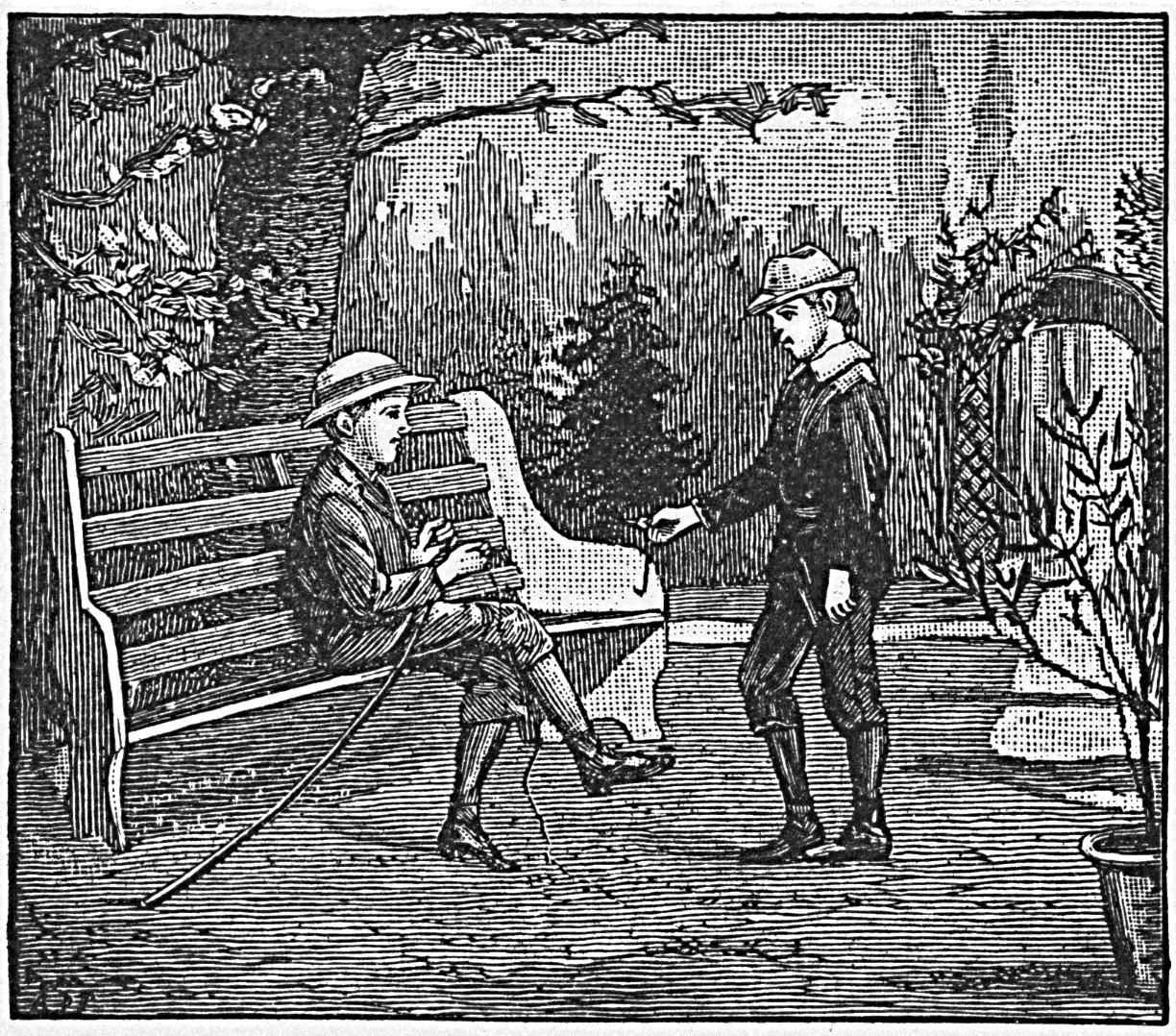
    winter, sugar bush engraving park bench engraving
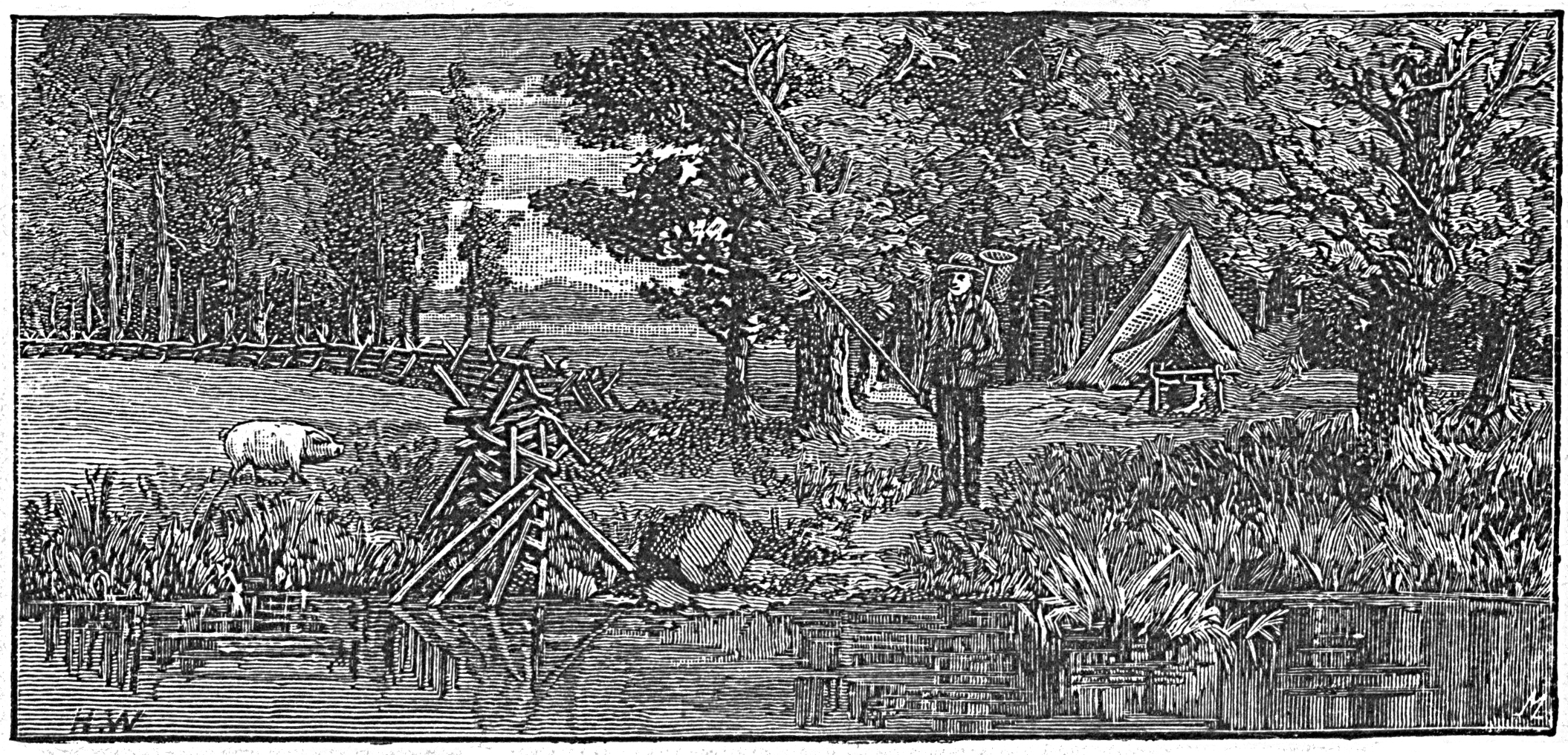
    camp site engraving
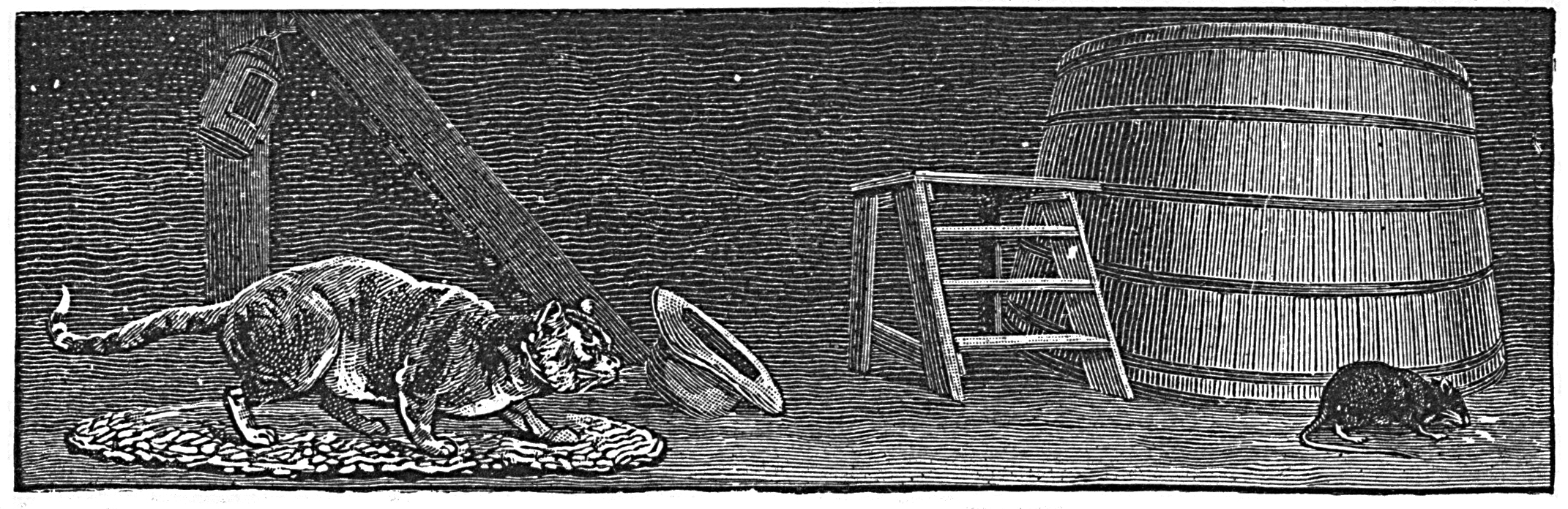
    barn cat stalking mouse engraving
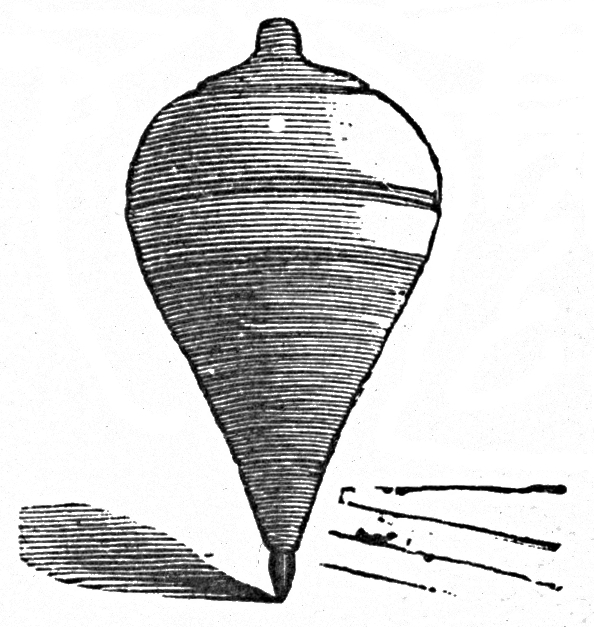
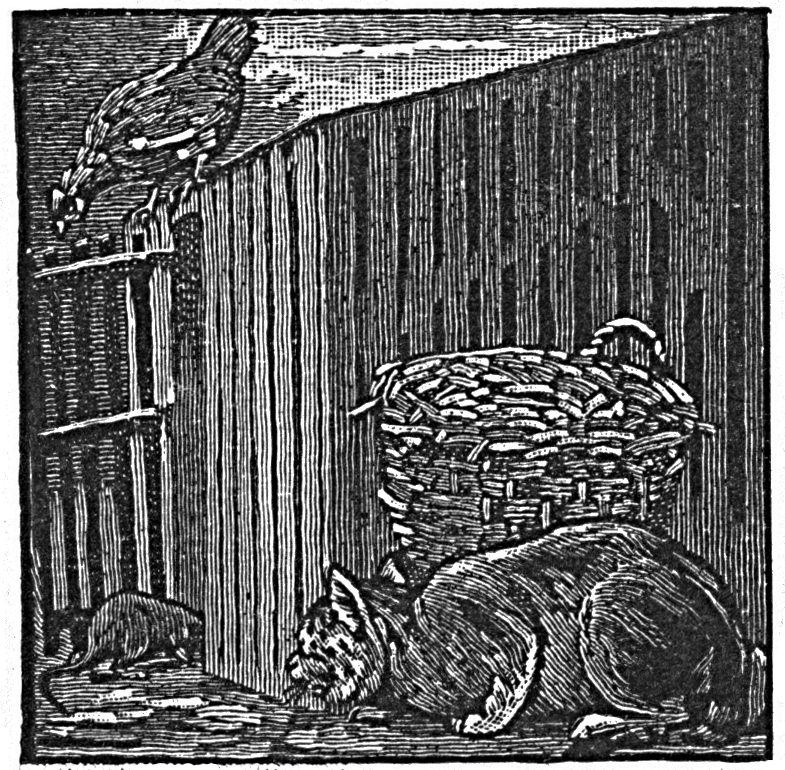
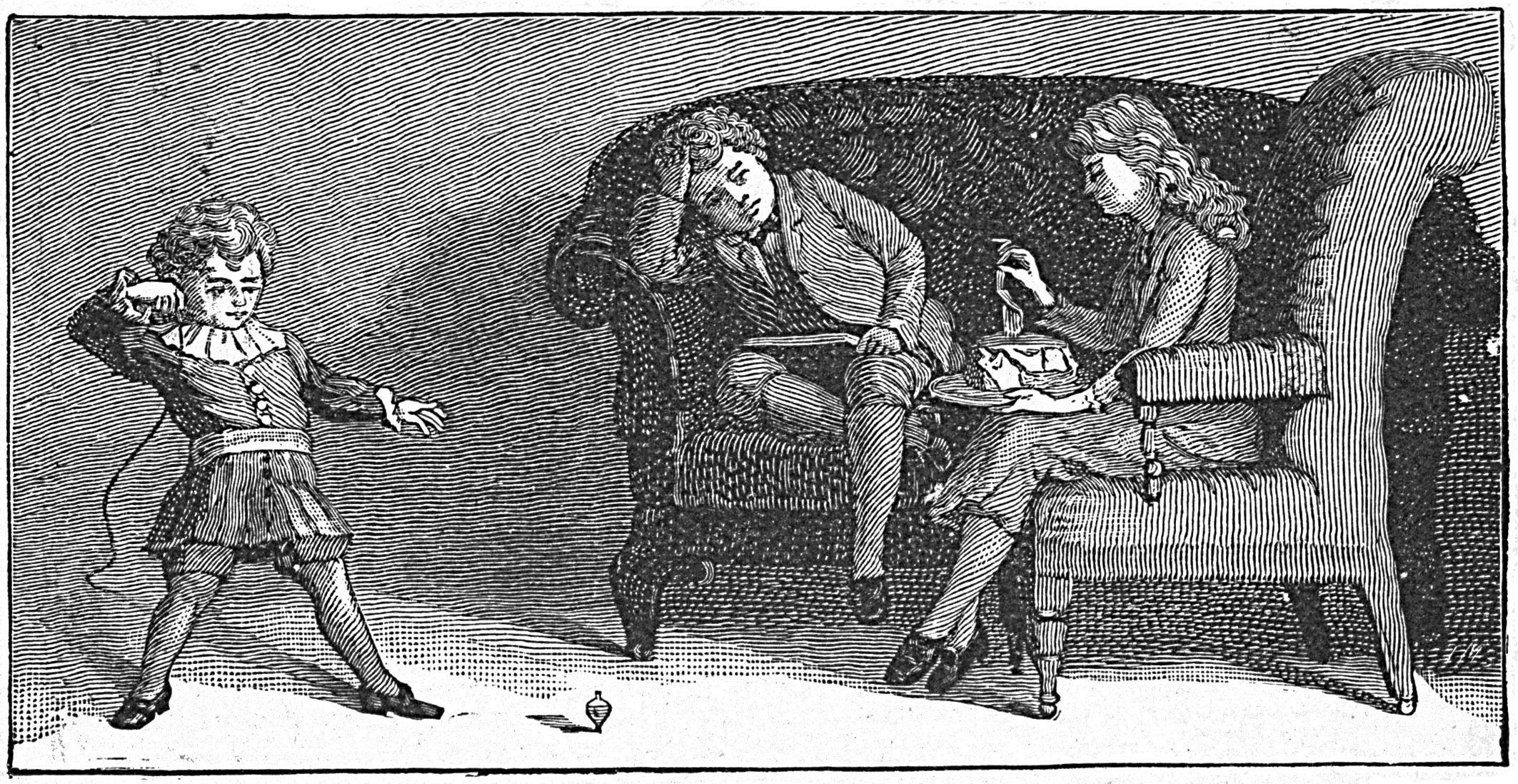
    outside cat stalking mouse engraving children playing, spinning top engraving
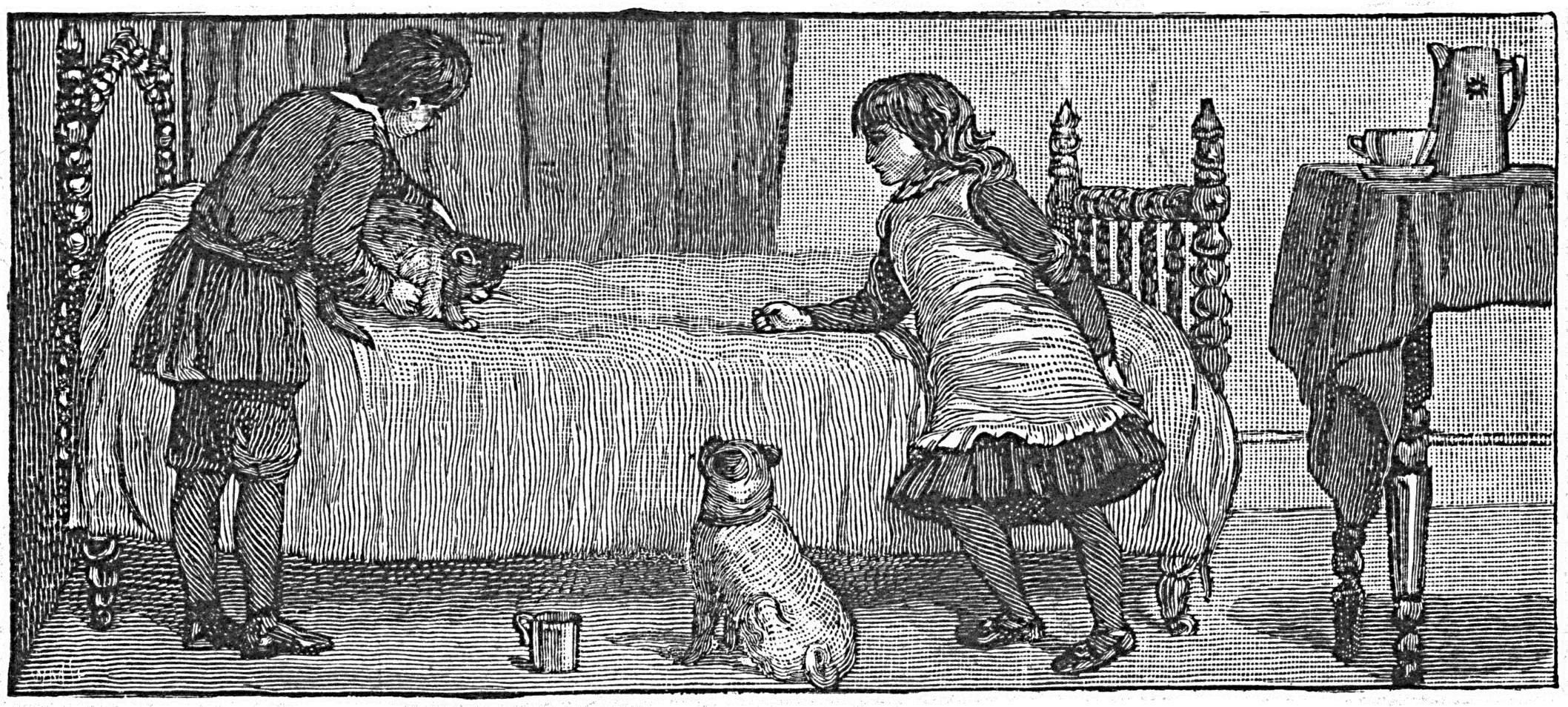
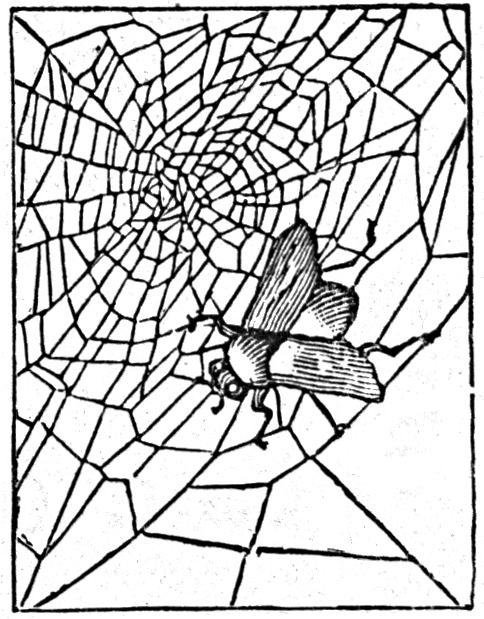
    bed, dog, children engraving spider web engraving
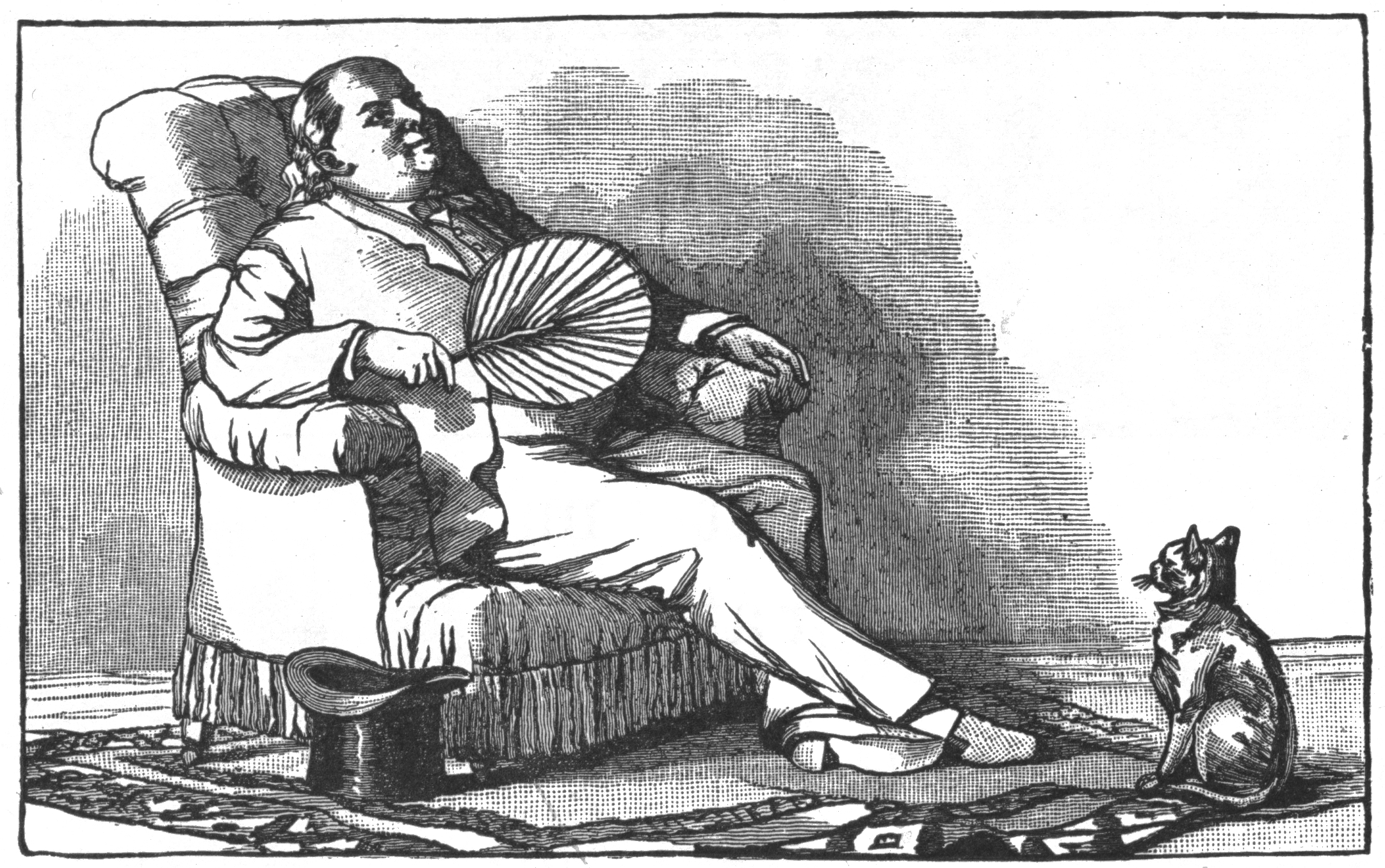
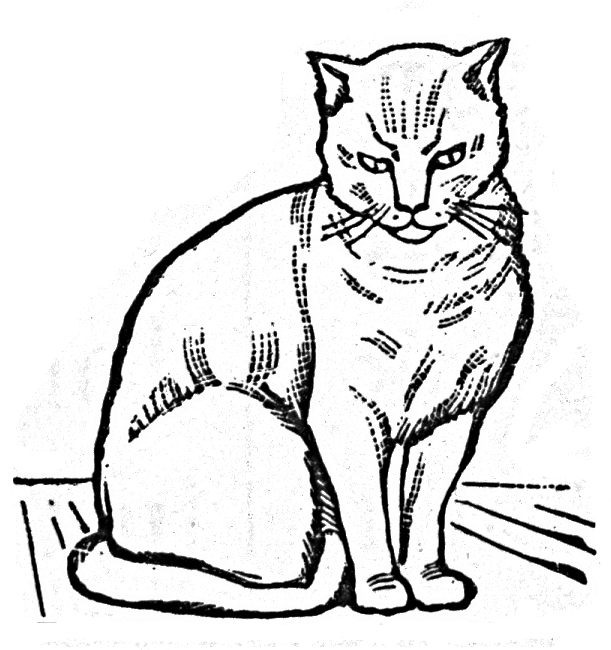
    sitting man and cat engraving sitting cat engraving
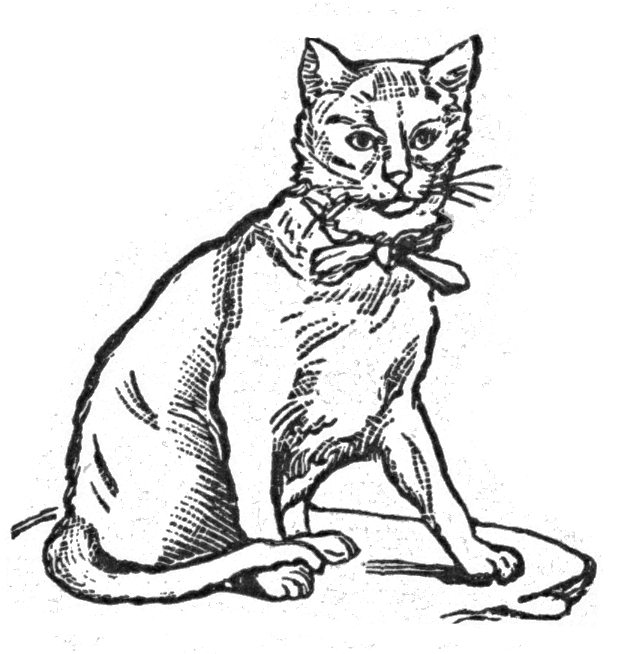
    sitting cat engraving

Elke and I moved from the City of Toronto to Erin Village in the fall of 1971. We were surprised, at first, at the isolation of our situation — a mere sixty miles north-west of the corner of Steeles and Islington, but a world removed from the student life we had come to know at University College in the University of Toronto in the late sixties.

The Main Street of Erin Village backs on to a millpond that was flooded in the mid-nineteenth century to further the commercial interests of Mundell Lumber, which continues to retail dry goods into the early part of the twenty-first century. West of the millpond and rising above it 250 vertical feet there is a sizeable glacial `moraine' — millions of tons of dolomite (mostly) furrowed out of the Credit River Valley ten thousand years earlier and pushed up into a modest sequence of rolling hills.

Elke and I walked those hills, frequently, in the fall of 1971, and one day we happened on the stone foundation of a barn that had fallen into ruin. In the foundation there were boxes,

and boxes, and boxes of books.

Hundreds of copies in fact of John Bunyan's Pilgrim's Progress amongst other titles that were of little interest except that some of the multiple editions of Pilgrim's Progress had been typeset rather well, with intriguing ornaments such as you see here.

Encouraged by the prospect of the ornaments, I salvaged several dozen boxes of several thousand books which included several tens of thousands of engravings from the ruins of the barn. Some years later, my father Walt found himself unexpectedly dismissed from a high-tech job at Bell-Northern Research laboratories in Ottawa.

The thought occurred (to me) that Walt should have something thrust immediately in his lap to divert his attention from his situation. I suggested Walt undertake to extract (with scissors, and paste) the initials, engravings and ornaments found in the books,

and to categorize same (a not-inconsiderable task).

The Devil's Artisan intends to present an ever-larger digital library of these images, available at no charge for download as shareware, for the favour of which we would appreciate a credit to `Walter Inkster, the Devil's Artisan'.

It amuses me, some, that these images are now to be made available on the World Wide Web, and that my father was prematurely dismissed for insisting that the future of Bell Telephone lay in the direction of fibre optics.

My father, as it turns out, was correct.

The Devil's Artisan is remarkable in Canadian publishing in that most of the physical production of our journal is completed in-house at the shop on the Main Street of Erin Village. We print on a twenty-five inch Heidelberg KORD, typically onto acid-free Zephyr Antique laid. The sheets are then folded, and sewn into signatures on a 1907 model Smyth National Book Sewing machine.

To take a virtual tour of the pressroom, visit us at YouTube for a discussion of offset printing in general, and the operation of a Heidelberg KORD in particular. Other videos include Four Colour Printing, Smyth Sewing and Wood Engraving. Photographs of production machinery used on these pages were taken by Sandra Traversy on site at the printing office of the Porcupine's Quill, December 2008.

The Devil's Artisan would like to acknowledge the financial support of the Canada Council for the Arts, and the Ontario Arts Council.